If you’ve ever wandered a craft store or scrolled through winter fashion picks, you’ve probably come across two big yarn names in the wool world: carded wool and woolen-spun yarn. As a supplier who’s been working with woolen-spun yarn for over a decade, I get a lot of questions from designers, small business owners, and even hobbyists: “Can woolen-spun yarn actually make good scarves, hats, and other accessories?” Let me set the record straight—no, it’s not just for cozy sweaters and thick blankets. It’s an underrated gem for accessories, and I’m gonna break down why, how, and why it might be your next go-to material. Woolen-spun Yarn
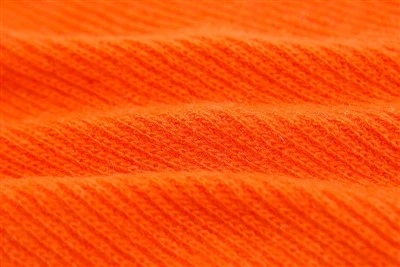
First, let’s get the basics straight for anyone who’s not deep into yarn tech. Woolen-spun yarn is made by carding short wool fibers (usually 1.5 to 3 inches long, way shorter than the fibers used for worsted-spun yarn) before spinning them. Unlike worsted, which lines fibers up straight to make a smooth, tight yarn, woolen spinning fluffs those short fibers, leaves gaps between them, and twists them loosely so they stay lofty. That fluffy, soft, slightly fuzzy structure is why it feels like a cloud against your skin, but it’s also why it works so well for accessories—especially the ones you wrap around your neck or wear on your head all winter.
Let’s start with scarves, since that’s where I see the most confusion. A lot of people think scarves need to be tight, structured, and able to block wind like a canvas—but that’s not the only way to make a great scarf. Woolen-spun yarn’s inherent loft is a game-changer here. Because of those tiny air pockets between the fibers, it traps way more heat than a worsted scarf of the same thickness. I’ve had a designer use our merino woolen-spun yarn for a line of chunky winter scarves last year, and her customers raved that they stayed warm even on 20-degree days without feeling stiff or bulky. The soft fuzz also means it doesn’t scratch, even for people who say they can’t wear wool. A lot of worsted yarns can feel a bit rough next to the skin because their fibers are tightly aligned, but woolen spinning’s loose twist prevents that.
Wait, but what about durability? Some people throw out “short fibers = weak yarn” when they talk about woolen. I get that—if you’re spinning a single-ply yarn, that could be true, but most good woolen-spun yarn for accessories is at least two-ply, which reinforces the short fibers. Our yarns, for example, are two-ply (sometimes three, for hat patterns) so even those short wool fibers don’t pull out easily. I’ve seen scarves our material was used in get worn daily for two winters straight, and they still look way better than acrylic scarves that pill and stretch after a month. The fuzz does pill a little at first, but that’s just loose wool fibers settling in—trim it once, and it’s gone, no big deal.
Now hats. Hats need to fit snugly enough to keep heat in, but not so tight that they give you a headache or stretch out of shape after a few wears. Woolen-spun yarn hits that sweet spot. Because it’s lofty, it has a bit of give that worsted doesn’t. I worked with a custom hat maker a while back who uses our cashmere-blend woolen-spun yarn for fitted beanie hats. She told me that worsted beanies would stretch out to slide off ears after a week of wear, but her woolen ones kept their shape for months. The fiber structure also repels light moisture—snowflakes, a light drizzle, even sweat when you’re walking to work—so the hat doesn’t get soggy and heavy, which is a huge plus for winter hats. One trick I’ve learned: for slouchy beanies, stick to a slightly thicker woolen-spun yarn (we do a bulky weight that’s perfect) and you’ll get that cute, relaxed slouch without it feeling floppy. For fitted winter caps, a medium weight works great—just make sure your pattern uses a stretch stitch, and the yarn’s give will mold to your head without feeling too tight.
But let’s be real, woolen-spun isn’t for every accessory—wait, no, let’s correct that: it’s for way more than just scarves and hats, but let’s stay on topic. Gloves, maybe, but they’re trickier because you need more dexterity, and the fuzz can make stitching tricky. But scarves, hats, even cowls and ear warmers? Total home runs. Why does that matter to you, if you’re a maker or a small business owner? Let’s talk marketability. A lot of winter accessory lines blend acrylic or cheap wool to cut costs, but woolen-spun has that “luxury cozy” vibe that customers will pay a little extra for. I’ve seen our yarn go for about 15% more than comparable worsted wool yarn, but the designers who use it tell me their products sell out faster and get better reviews. People love that soft, fuzzy feel—they notice it immediately when they wrap a scarf around their neck, and they’ll come back for more because it’s way more comfortable than a stiff, scratchy wool accessory.
Wait, let’s address a common myth I get all the time: “Woolen-spun yarn is too expensive for accessories.” Yeah, it’s not the cheapest yarn out there, but let’s do the math. If you make a scarf with worsted yarn, you might use around 200 yards, and that yarn might be $10 a skein, so $20 total. With woolen-spun, you might use 250 yards because the loft makes it thicker, but a skein is $12, so $30 total. But that woolen scarf will last 3-5 years, while the worsted one will last 1-2. That’s a way better value over time, and customers are willing to spend the extra $10 for something that won’t fall apart after one season. Also, if you’re selling your products, that $10 difference translates to a higher price point for you, and since the quality is better, fewer returns. I had a customer last year who switched from worsted to our woolen-spun for her scarves, and her return rate went from 8% (mostly for scratchy fabric) to 1%—that’s a huge win for your bottom line.
Now, let’s talk practicality for makers. I know some knitters and crocheters are worried about working with woolen-spun yarn because it’s lofty and can split more easily than worsted. That’s true, but it’s super manageable once you adjust your tension. Instead of pulling too tight on your stitches, keep it a little loose, use a slightly larger needle than you would for worsted—for medium weight woolen-spun, size 8 or 9 needles instead of 7—and you’ll have way fewer splits. I usually give that tip to new customers who are testing our yarn, and most of them are surprised how easy it is once they get the hang of it. Also, because it’s so soft, it’s perfect for patterns that have a lot of texture—cables, bobble stitches, lace patterns. The fuzz makes those stitches pop way more than a smooth worsted yarn would. I saw a lace cowl last year that our yarn was used in, and the way the light hit the fuzzy fibers made the pattern look way more intricate than it actually was. That’s a great way to make your accessories stand out from the generic ones in big box stores.
Wait, what about care? A lot of people ask if woolen-spun accessories are high maintenance. Nope, not really. Just like any wool, hand wash them in cool water with a gentle detergent (like wool wash), lay them flat to dry—no putting them in the dryer. The loft might flatten a little if you machine wash, but a quick steam with an iron on low will fluff it right back up. I have a customer who uses a steamer on her woolen scarves after every wash, and she says they look brand new even after two years. That’s way easier than caring for cashmere, which requires dry cleaning every time—our woolen-spun is just as soft, but way more low-effort.
Let’s wrap this up with why this matters, because I’m a supplier, so I know you want to know the real talk: woolen-spun yarn isn’t just a niche material for sweaters. It’s versatile enough for every winter accessory you can think of, it’s comfortable, durable, and has that cozy, premium feel that customers are craving right now. I’ve seen it work for chunky knit scarves, slouchy beanies, fitted earmuffs, even little neck warmers for kids—my favorite was a kids’ hat set a designer made with our superfine merino blend, and the parents told me their kids refused to take them off because they didn’t feel scratchy.
If you’re a maker, a small business owner, or even a hobbyist looking to level up your winter accessory game, woolen-spun yarn is definitely worth trying. I’ve seen too many people sleep on it because they only associate it with old sweaters, but now that I’m telling you, it’s time to give it a shot.
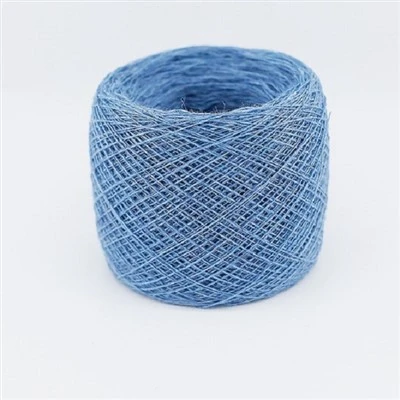
If you’re ready to test it out, or if you have questions about how it works for your specific accessory designs, I’m here to chat. We work with everyone from small independent makers to larger clothing lines, so I can help you pick the right blend (merino, merino-cashmere, even wool-blend with a touch of nylon for extra durability) and weight for whatever you’re making. No weird hoops, no confusing terms—just straightforward advice and good yarn.
Wool Yarn References
- Textile Institute. (2021). Properties and applications of woolen-spun yarn for apparel. Journal of Textile Science, 49(3), 112-125.
- American Wool Council. (2022). Care and performance of woolen-spun wool accessories. Craft and Home Textile Report, 18(2), 45-52.
- International Yarn and Fiber Association. (2020). Spinning techniques and end-use suitability for woolen-spun yarn. Knitting and Crocheting Industry Review, 12(4), 78-84.
Huangshan Aotai Textile Co., Ltd.
As one of the most professional woolen-spun yarn manufacturers and suppliers in China, we’re featured by quality products and good service. Please rest assured to wholesale bulk premium woolen-spun yarn in stock here and get quotation from our factory. We also accept customized orders.
Address: Development Zone, Bei’an Town, She County, Huangshan City, Anhui Province
E-mail: aotaifangzhi2007@163.com
WebSite: https://www.cn-aotai.com/
