If you’ve ever grabbed a soft, breathable cotton tee on a sweltering day, or wrapped yourself in a crisp cotton sheet at the end of a long one, you’ve probably felt why this fabric isn’t just “another cloth” — especially if you’re a small business owner or designer hunting for fabrics that matter. As someone who’s spent years sourcing, curating, and selling high-quality cotton fabric (yeah, that’s me, your go-to cotton fabric supplier), I’ve seen firsthand how this humble material isn’t just about its texture or durability. It’s woven into cultures, traditions, and daily routines in ways most people don’t stop to notice. Let’s break down the real cultural weight of cotton — and why it’s still the most important fabric you can work with. Cotton Fabric

First off, let’s go back to where cotton actually started. It’s not like synthetic fabrics, which popped up in labs a century ago; cotton’s one of the oldest fibers humans have ever used. Historians trace its origins all the way to the Indus Valley, around 5000 BCE, where people were spinning it into thread and weaving it into cloth way before most other civilizations had consistent textiles. That history isn’t just a fun fact — it’s a big deal culturally. For the communities there, cotton wasn’t just a way to make clothes. It was tied to ritual, trade, and identity. You could see that in how they dyed it with natural indigo or turmeric, turning plain fabric into something that signaled status, celebration, or even belonging to a specific group. Fast forward to other ancient cultures, like those in Mesoamerica and Africa, and you’ll see the same pattern: cotton was central to their traditions. In West Africa, for example, the strip-woven cloths called kente aren’t just pretty — each color and pattern has a meaning, and they’re used at weddings, funerals, and other key life events. That’s cotton carrying culture, not just covering bodies.
Then there’s the role cotton played in global trade and how that shifted cultures across continents. When European explorers stumbled on the Americas, they saw cotton as a game-changer for their own economies. But let’s be real: that trade came with a really messy, violent history. Enslaved people in the U.S. South, the Caribbean, and Brazil were forced to grow and harvest cotton, backbreaking labor that fueled the Industrial Revolution and made cotton a global commodity. That part of the story can’t be ignored — it’s shaped how the fabric is perceived, and how different cultures have reacted to that history. Even today, that legacy shows up in cotton’s reputation: for many, it’s a fabric that’s both tied to ancient tradition and to the complex, interconnected global economy we live in now.
But let’s move past the heavy history to the stuff that matters for daily cultural life. Cotton is universal, right? Almost every culture uses it, but in really specific ways. Take Japan, for example. The fabric there has a whole cultural tradition around “wasou” (traditional clothing) and “youfuku” (Western-style clothing). The Japanese have their own cotton cultivars, like “momen,” which is used for everything from casual kimono to futon covers. Momen’s not just a fabric — it’s tied to the idea of “wabi-sabi,” that beauty in imperfection and simplicity. A faded momen kimono isn’t ruined; it’s got history, just like a well-loved pair of cotton jeans. That’s a big part of why designers still reach for it. In India, too, cotton is everywhere — from lightweight sarees you wear in summer to heavy dhoti for festivals. It’s also tied to the concept of “ahimsa,” non-harm, because cotton’s a natural fiber, and many Indian communities prefer it over synthetic fabrics that require harsh chemicals to make. That’s a cultural choice that goes way beyond “it’s soft.”
What I’ve noticed as a cotton fabric supplier is that a lot of small brands and independent designers are starting to care about where their cotton comes from, too. Consumers these days don’t just want a white tee — they want to know the fabric’s story, the people who grew and spun it, whether it’s sustainable. That’s where cotton’s cultural significance is evolving now. More and more, people are pushing for fair-trade cotton, which makes sure the farmers and workers get paid fairly. That’s a shift from cotton being a commodity to a fabric that supports communities. I’ve worked with a lot of small ethical brands lately, and they tell me that their customers love knowing their clothes aren’t just trendy — they’re supporting a better system, too. That’s a new layer of cultural meaning for cotton, one that’s still growing.
Let’s talk about why cotton is so beloved for everyday use, which is a big part of its cultural pull. Unlike polyester or nylon, which can trap heat and feel scratchy, cotton breathes. That’s why in warm climates, it’s the go-to fabric for casual wear — in Mexico, you’ve got guayaberas, those lightweight cotton shirts, that are perfect for hot days. In West Africa, dashikis are almost always cotton, too. It’s practical, but that practicality becomes cultural. It’s a fabric that adapts to life, whether you’re working in a field, going to a party, or lounging at home. Synthetic fabrics might be cheaper, but they don’t feel the same — there’s a comfort to cotton that’s tied to how it feels to be human. A lot of people I talk to say their favorite clothes are cotton because they’re soft, they last, they feel like “them.” That’s cultural stuff, even if it’s subtle.
Another thing: cotton’s a flexible fiber, which means it can be woven into so many different things, and that’s tied to how cultures express creativity. In Peru, for example, ancient weavers used cotton to make intricate textiles with symbols from their indigenous cultures — animals, mountains, gods. Those textiles were used in rituals, traded, and passed down through families. Now, modern Peruvian designers are using the same traditional cotton and weaving techniques to make contemporary bags, clothes, and home goods. It’s the same fabric, but it’s bridging the gap between old and new culture. That’s the magic of cotton, right? It’s not stuck in the past; it changes with the culture, but it still carries that history with it.
Let’s not forget home culture, too. Cotton’s huge for bed sheets, towels, and other household items. In many cultures, a set of cotton sheets is a traditional wedding gift — something practical, soft, and meant to create a comfortable home. In the U.S., flannel sheets, which are made from cotton, are a winter staple, tied to cozy nights and family time. In Egypt, cotton sheets are famous worldwide, and they’re tied to the idea of luxury and comfort. Even something as simple as a cotton pillowcase is part of cultural rituals — how you make your bed, how you create a space to rest. That’s all part of cotton’s cultural significance: it’s part of the quiet, important moments in life.
As a cotton fabric supplier, I’ve had a front row seat to how this fabric connects people. I’ve worked with indie designers who want to create a line of tees that support small cotton farmers. I’ve collaborated with textile artists who use cotton to preserve traditional weaving techniques. I’ve even talked to brands that use cotton to make ethical school uniforms for kids in low-income areas — something that’s comfortable, durable, and affordable. That’s the new cultural role of cotton: it’s not just about tradition or trade, it’s about community. It’s a fabric that people can use to make a difference, one yard at a time.
Wait, let’s get real for a second. Cotton isn’t perfect, right? There are environmental costs to growing it, especially with conventional farming which uses a lot of water and chemicals. That’s why more people are choosing organic cotton now — it’s better for the planet, and it aligns with cultural values of sustainability and respect for the earth. As a supplier, I make sure to stock both organic and fair-trade options, because I know that customers care about that. That’s part of adapting to what culture wants now: a fabric that’s not just meaningful historically, but also responsible for the future.
So what does all this mean for you, whether you’re a designer, a small business owner, or someone just looking for the right fabric? It means cotton’s not just a commodity. It’s a fabric with thousands of years of history, tied to traditions, community, and daily life. It’s a fabric that can evolve with culture, from ancient textiles to modern ethical brands. If you’re looking for a fabric that has meaning, that connects with people, and that’s built to last, cotton’s still the way to go.
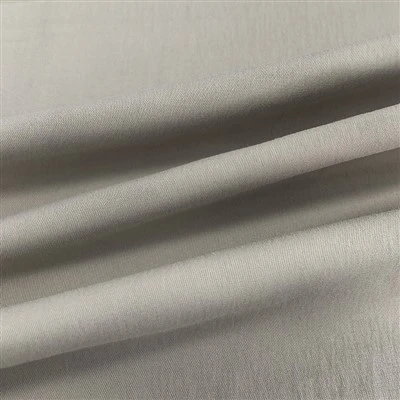
If you’re interested in working with a reliable, customer-focused cotton fabric supplier to get the right fabric for your brand, get in touch to chat about your needs — we can help you find the perfect cotton, whether it’s organic, fair-trade, or custom-woven for your project. Let’s build something that’s not just beautiful, but meaningful, too.
Sportswear Fabric References:
- History of Cotton and Cotton Products (International Cotton Advisory Committee)
- Kente Cloth: History and Meaning (British Museum)
- Wabi-Sabi: The Japanese Art of Impermanence (Japan Foundation)
- Fair Trade Cotton: A Guide for Consumers and Producers (Fair Trade USA)
- Momen: Traditional Japanese Cotton Fabric (Textile Society of America)
Hangzhou Kangsheng Textile Co., Ltd.
Hangzhou Kangsheng Textile Co., Ltd. is one of the most professional cotton fabric manufacturers and suppliers in China. We have world-leading production equipment and strong manufacturing capabilities. Please rest assured to wholesale bulk high quality cotton fabric from our factory. Also, custom service is available.
Address: 22# Building, K7 Original park,No.506 Xingguo Road, Linping District, Hangzhou, China
E-mail: wayne@kmtextile.net
WebSite: https://www.kangshengtextile.com/
