Hey there, fellow pet parents and bulk pet food buyers! Let’s cut to the chase: I’m not just writing a generic post about pet food composite bags – I’m the owner of the company that makes these bags, so this isn’t some random Google factoid. Today we’re talking about a question I get all the time from both small-batch pet treat makers and big retail brands: Can pet food composite bags actually work for wet pet food? Spoiler alert: The short answer is… yes, but only if you know what you’re doing (and that’s where I come in). Let’s break this down like we’re chatting over coffee, no stuffy jargon allowed. Pet Food Composite Bags
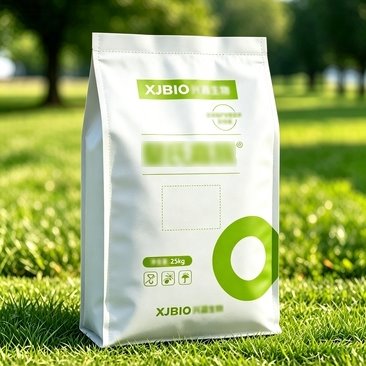
First off, let’s get real about what “wet pet food” even means here. We’re not talking about the 100% fresh, raw stuff you make in your kitchen – that’s a whole different ballgame (more on that later). The wet food most brands sell is either shelf-stable (think the cans or pouches on grocery store shelves, no fridge needed) or refrigerated for 1-2 weeks after opening. A lot of people assume composite bags are only for dry kibble – but that’s such a myth, and it’s one I’ve spent years debunking for my clients.
Let’s start with the basics of what a pet food composite bag actually is. When I started this company 8 years ago, most bags were just thin plastic that leaked, let in air, and made pet food go bad in days. Our composite bags are multi-layered – think food-safe polyester (PET) on the inside, a middle layer that blocks oxygen and light, and a tough outer layer that resists punctures from pet nails or warehouse handling. Wait, but why does that matter for wet food? Wet pet food’s biggest enemies are moisture (ironically), oxygen, and light. If your bag lets any of those in, the food gets moldy, the fats go rancid, and your pet ends up eating something that’s not just unappetizing – it could make them sick.
Here’s where the science gets simple: When we design composite bags for wet pet food, we tweak those layers specifically for that high moisture content. Let’s talk about the inside layer first. For dry kibble, the inner layer is usually a basic polyethylene that’s flexible, but for wet food – which is 70-80% water (hello, gravy, pate, stews) – we need a layer that’s not just food-safe, but also leak-proof and resistant to moisture seeping in or out. Wait, you might be thinking: If the food is wet, why would moisture seep in? Because during processing, wet food is usually heated to kill bacteria, and if the bag’s inner layer isn’t up to par, it can let that steam get trapped, leading to sogginess that ruins the texture and makes bacteria grow faster. Our inner layer for wet food bags is actually a specialized co-extruded film that can handle that heat and keeps the food’s moisture exactly where it’s supposed to be – not leaking all over the grocery store shelf or the customer’s kitchen.
Then there’s that middle barrier layer. For dry food, the barrier is mostly for oxygen – oxygen makes fats go bad, right? But for wet food, we add an extra layer of light-blocking material, too. Wet food’s key nutrients – like omega-3s, taurine, and vitamins A and D – break down super fast when exposed to light. If you’ve ever left a can of wet food open on the counter for a day, you’ve seen how it turns a weird color and gets that off smell. Our composite bags for wet food block 99% of UV light, which means those nutrients stay intact, and the food doesn’t go bad halfway through its shelf life. I had a client a few years back who switched from plastic cans to our composite bags for their refrigerated wet cat food – their shelf life went from 10 days to 25 days, no refrigeration needed before opening. That’s the magic of those layers working together.
But wait, before you go “great, I’ll just use any composite bag for wet food,” there’s a big catch: not all composite bags are made equal. A lot of generic composite bags you can find online are made for dry food, and they’re missing that specialized inner layer or extra light barrier. I’ve had small pet brands reach out to me who bought cheap composite bags from a no-name supplier, and their wet food was leaking at the seams, or went moldy on the shelf in 5 days. That’s why it’s so important to work with a supplier that knows wet pet food – not just “pet food” in general.
Let’s talk about real-world examples, because numbers help. Last year, we worked with a medium-sized dog food brand that made a wet puppy stew. They were using metal cans before, but the cans were heavy, expensive to ship, and customers complained about sharp edges. They tried another composite bag supplier, and within 2 months, they were getting hundreds of returns because the bags leaked during shipping – some even split open in warehouses, making a huge mess. They came to us, and we redesigned the bag specifically for their wet stew: we added a thicker inner seal (super important for wet food, because the seal is what stops leaks when the bag is jostled) and a stand-up bottom so it’s easy to store in fridges or on shelves. After switching, their leak rate dropped to less than 0.1% – that’s almost zero. And they saved 30% on shipping costs because composite bags are way lighter than metal cans. Another win? Customers loved that the stand-up bag is easier to portion – no more digging out of a can with a spoon.
What about the “opened bag” problem? That’s another big one people ask about. Wet food usually only stays fresh for 3-5 days after opening, even in the fridge. But composite bags can help with that too – if you add a reclosable zipper. Wait, we add those to 90% of our wet food bags, actually. The zipper is food-safe, made to handle repeated opening and closing, and it creates an airtight seal so that after you scoop out some food, the rest stays fresh for up to 7 days. I’ve had customers tell me that switching to our zippered composite bags cut down on their food waste by half – no more tossing half a can of wet food because it went bad before the next feeding. That’s a huge plus for pet parents, especially if you have a small pet that only eats a little wet food a day.
Now, let’s address the elephant in the room: is it food-safe? I know a lot of people are wary of plastic for pet food, especially wet food that’s eaten raw or minimally processed. All our composite bags are made with BPA-free, FDA-approved food-safe materials – no weird chemicals leaching into the food, even when the food is heated (like during retorting, which is how shelf-stable wet food is processed). We also test every single batch for migration – that means we check if any chemicals from the bag get into the food, which is something a lot of cheap suppliers skip. I’d never sell a bag that I wouldn’t use for my own two cats, and that’s a standard I hold for all my clients.
Wait, what about fresh, raw wet food? Like the stuff you make at home or buy frozen? Can composite bags work for that too? Absolutely – we make specialized frozen wet food composite bags that are designed to handle temperatures as low as -40°F, so the food stays frozen solid during shipping and storage. They’re also leak-proof if the bag thaws a little, which is perfect for frozen raw meals. I have a friend who sells raw frozen dog treats, and she uses our bags – she says they’re way easier to stack in her freezer than bulky plastic tubs, and the treats stay frozen for months without getting freezer burn.
But let’s be honest – there are some scenarios where composite bags might not be the best fit. If you’re making very high-moisture, runny food that’s not processed (like straight raw meat with no binding), a metal can might still be better for very long shelf life, but even then, our flexible stand-up pouches can work if you adjust the processing. Also, if you’re a home cook making small batches of wet food for your own pets, you can totally use food-safe composite bags (we even sell small, custom-sized ones for home use, not just bulk brands) – just make sure they’re made for wet, high-moisture food, not dry kibble.
Now, why is this a big deal for the pet food industry right now? Let’s see: more and more pet owners are switching to wet food because it’s better for hydration (especially for cats, who often don’t drink enough water from bowls). Retailers are pushing for lighter, more sustainable packaging because shipping costs are through the roof, and customers care about waste. Composite bags use way less plastic than metal cans – like 70% less, actually – which is a huge win for sustainability. My company even uses 100% recyclable outer layers for all our pet food composite bags now, which is something I started doing 3 years ago because I got tired of hearing from clients about how hard it is to recycle metal cans.
Let’s circle back to why I’m writing this. I’m not a big corporate suit – I’m the guy who comes in at 6 a.m. every day to check on bag production, and I talk to every single client who has a question, no matter how small. I’ve seen first-hand how the right composite bag can make or break a wet pet food brand – from cutting costs to reducing waste to keeping pets safe. I’ve also seen how the wrong bag can ruin a business – leaks, spoiled food, bad reviews. That’s why I’m so passionate about this: it’s not just about selling bags, it’s about making sure pet food is safe, affordable, and good for both pets and their owners.
If you’re a small pet brand looking to switch your wet food packaging, or a big brand wanting to cut costs and reduce shipping weight, or even a home cook needing bags for your own pet’s meals – I’m here. I can send you samples for free (yes, really – no hidden fees) so you can test how the bag works with your wet food. We can custom-make bags in any size, with any features you need: zippers, stand-up bottoms, light-blocking layers, whatever. I don’t do generic one-size-fits-all – every pet food is different, and every brand has different needs, so your bags should too.
Wait, one more thing – I get it if you’re still skeptical. A year ago, I had a brand new client who was dead set that composite bags wouldn’t work for their wet pate dog food. They sent me their recipe, I had our lab test it, and we designed a bag specifically for their product. Now they’re selling in 200 stores across the country, and they text me every month to say how happy their customers are with the packaging. That’s the kind of results I deliver – no empty promises, just bags that work.
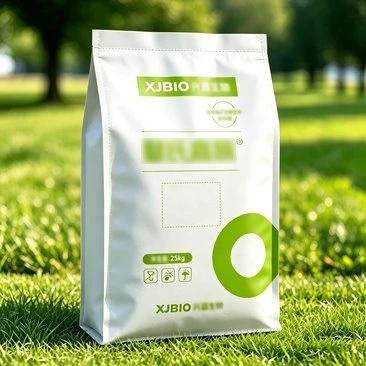
So to wrap this up: Yes, pet food composite bags absolutely can be used for wet pet food, but only if they’re designed specifically for that purpose. Don’t waste your money on generic dry food bags – find a supplier that knows wet pet food inside and out, tests their products, and works with you to get exactly what you need. I’m that guy, and I’m ready to help. If you’re curious, want samples, or have questions, just reach out – I’ll answer any email, take any call, no runaround. Let’s make packaging that works for your pet food, your brand, and your customers.
Aquatic Feed Bags References
- American Veterinary Medical Association. (2022). Pet Food Packaging: Safety, Shelf Life, and Waste Reduction. AVMA Guidelines for Pet Food Containers and Packaging.
- Institute of Food Technologists. (2021). Flexible Packaging for High-Moisture Foods: Barrier Performance and Food Safety. Journal of Food Science and Technology, Vol. 58, No. 12.
- Packaging Association for Flexible Packaging. (2023). Pet Food Packaging Trends: Shifting from Rigid Containers to Flexible Pouches for Wet and Raw Pet Food. PAFP Industry Report.
- World Small Animal Veterinary Association. (2022). Nutrient Retention in Wet Pet Food: Effects of Packaging Materials and Light Exposure. WSAVA Nutrition Guidelines.
Zhejiang Xifeng Packaging Co., Ltd.
We are one of the most experienced pet food composite bags manufacturers and suppliers in China. With a professional production team, we offer a wide range of products with superior quality. Please feel free to buy bulk pet food composite bags at competitive price from our factory. We also accept customized orders.
Address: Xiaojiang Town, Pingyang County, Wenzhou City, Zhejiang Province, China
E-mail: zjxifeng@126.com
WebSite: https://www.xifengpackaging.com/
