If you’re an agricultural producer like so many of our customers—someone who rises before the sun to tend fields, navigates tight profit margins, and has long relied on gear that’s worked for generations, you know one thing to be true: efficiency on the farm isn’t a nice-to-have, it’s a survival tactic. For 12 years, we’ve been supplying agricultural implements to farms large and small across the Midwest, Great Plains, and beyond, and in that time, we’ve seen how a 10% improvement in implement efficiency can cut a farmer’s seasonal workload by hundreds of hours, reduce fuel costs by thousands, and even boost crop yields by keeping timelines tight at planting and harvest. Today, I want to pull back the curtain on the most science-backed, practical ways to improve your implement’s efficiency, tailored to the gear you already use—and how we at our company can help you make these changes without breaking the bank. Agricultural Implements
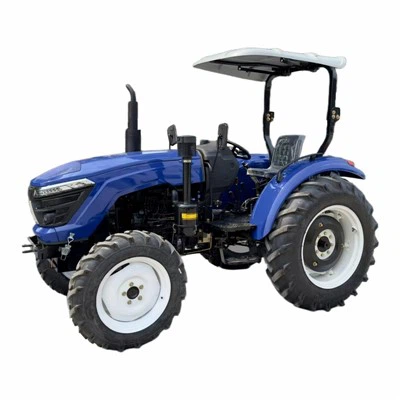
First, let’s start with something that’s often overlooked: implement calibration. You can have the most powerful tractor and sleekest plow, but if your equipment’s settings are off, you’re wasting half your time and inputs. A 2022 study from the University of Illinois Extension found that misadjusted planting equipment can lead to seed depth variations of up to two inches, which translates to uneven germination, skipped rows, and yields that are 8-12% lower than optimal. For tillage tools, incorrect tillage depth or angle means you’re cultivating more soil than necessary, burning extra fuel and wearing down parts faster. Here’s the thing: calibration isn’t a one-time job after you unload new gear from our delivery truck. It’s a pre-season ritual that takes 30 minutes per implement, and it’s non-negotiable. For planters, I recommend checking seed depth, row spacing, and seed meter accuracy weekly during planting—especially if you’re moving between fields with different soil types. For tillage implements, test tillage depth by digging a small trench every 100 feet across the field, adjusting the hydraulics or gauge wheels until you hit the target depth (usually 6-8 inches for most midwestern corn and soy fields). If you’re using older implements that lack digital calibration tools, we stock affordable manual adjustment kits that help you fine-tune settings without guessing. Last season, one of our customers, a 500-acre corn and soy farmer in central Iowa, recalibrated his disk harrows after noticing he was over-tilling 15% of his field; he cut his fuel use by 18 gallons per acre that year, saving him over $2,700 in fuel costs alone.
Next, implement maintenance isn’t just about preventing breakdowns—it’s about direct efficiency gains. I know, I know—you’ve got a checklist, and you check “replace worn blades” or “lubricate chains” every spring, but let’s talk about the science of component wear and tear here. A 2021 report from the American Society of Agricultural and Biological Engineers (ASABE) found that implements with worn parts (like dull plow shares, bent tines, or clogged seed tubes) can reduce work rate by 20-30% because they have to make extra passes, work harder to cut through soil, or leave gaps that require rework. Let’s break down the most critical parts to prioritize: tillage tools’ cutting edges: when a plow share’s edge is dull, it doesn’t slice through soil—it pushes it, creating more resistance for the tractor, which uses more fuel and slows your ground speed. We use a proprietary hardened steel in all our tillage implements that wears 30% slower than standard carbon steel, but even our parts need sharpening or replacement every 100-150 hours of use. For planting equipment, clogged seed tubes or worn seed meters can cause 1-2 missed seeds per 10 feet of row; that adds up to 10,000 missed seeds across a 100-acre field, which is enough to cut yields by 4-5%. I always tell customers: when your implement starts making a grinding noise, or your rows look uneven mid-pass, don’t wait for it to break—stop and fix it. Last year, a customer in Nebraska tried to skip replacing his worn combine auger flights; halfway through wheat harvest, the auger jammed, costing him 8 hours of downtime and a small portion of his crop that had spoiled in the bin. Investing $400 in new auger flights from us would have saved him over $10,000 in lost revenue.
Another key area is match between your implement and your tractor—something we see so many farmers get wrong, especially when upgrading one without replacing the other. A lot of producers will buy a larger tractor thinking it can pull a bigger implement, but if the tractor’s horsepower is underutilized or overstressed, efficiency drops. The North Central Farm Management Extension Committee’s 2023 guidelines say that a tractor should operate at 70-85% of its maximum horsepower when pulling an implement; running it below that means it’s inefficient (wasting fuel) and above that means you’re straining components, leading to faster wear and breakdowns. For example, a 120-horsepower tractor can efficiently pull a 15-foot disk harrow, but if you pair that same tractor with a 25-foot harrow, you’re running the engine at 95% capacity, which burns 25% more fuel and puts extra stress on the harrow’s frame and tines, leading to more repairs. If you’re upgrading your implement, come talk to our team—we can help you match the right implement size to your existing tractor, or suggest a tractor upgrade that aligns with your gear so you’re not wasting power. We recently helped a 1,200-acre farm in Minnesota pair their new 20-foot no-till planter with a 150-horsepower tractor; they saw a 12% increase in ground speed, cut planting time by 14 hours, and reduced fuel use per acre by 11% that spring.
Then there’s implement geometry and field layout—two factors that are totally within your control, but rarely talked about when it comes to efficiency. The shape and spacing of your fields, plus how you maneuver implements around corners or between rows, can have a huge impact on work rate. Take turns, for example: when you’re planting or tilling, each turn takes time you could be using to work the field, and if you’re making tight turns with a large implement, you’re often leaving unworked strips along the field edges that require extra passes later. A 2020 study from the University of California, Davis, found that optimizing field layout (like using longer, narrower fields where possible, or avoiding odd-shaped plots) can reduce turn time by 20% and cut rework needs by 15%. For existing fields, you can adjust your implement’s width to match field corners, or use headland turns that are wide enough for your implement and tractor to make a full turn in one pass. We also sell wide-angle turn kits for many of our implements that make turning smoother and reduce the chance of misalignment, which saves time and cuts down on wear from dragging or scraping field edges. One of our customers in lowa had an oddly shaped field with four sharp corners; adding a turn kit to his planter reduced his turn time per pass by 45 seconds, which added up to 10 extra hours of planting time over the season.
Digital integration is the next frontier of implement efficiency, and it’s not just for large commercial farms anymore. GPS guidance systems, variable rate technology (VRT), and implement monitoring tools are now affordable for small to mid-sized operations, and they deliver measurable gains. A 2022 report from the Farm Journal found that farms using VRT for seed and fertilizer application see a 7-10% reduction in input use (less seed, less fertilizer) and a 5% increase in yields, because inputs are applied exactly where and when they’re needed, instead of uniformly across the field. For implements, GPS steering keeps your rows perfectly aligned, so you don’t overlap passes or leave gaps, which cuts down on the number of total passes you make. We partner with top precision ag brands to offer integrated GPS and VRT upgrades for our implements, and our team can help you install and calibrate these tools even if you’re not tech-savvy. Last year, a 300-acre farm in Ohio that had been using manual planting switched to a GPS-guided planter from our inventory; they reduced seed use by 8% (saving over $1,200 in seed costs) and finished planting 3 days earlier, which meant they avoided a late-season rain event that would have delayed their harvest. Even if you’re on a tight budget, we offer affordable basic GPS guidance retrofits that cost a fraction of a new implement, with a payoff in 1-2 seasons.
Wait, let’s also talk about soil-specific adjustments—something that’s easy to overlook, especially if you farm in a region with consistent soil types, but even small changes can add up. Sandy soil, clay soil, loamy soil—each reacts differently to tillage and planting, so your implement settings shouldn’t be one-size-fits-all. For clay soil, which is dense and hard, you may need to adjust your disk harrow’s angle to be steeper, or use a shank tiller instead of a disk to reduce resistance. For sandy soil, which is loose, you may need a shallower tillage depth to prevent erosion, and a planter with closer row spacing to retain moisture. A 2021 study from the USDA Agricultural Research Service found that adjusting implement settings based on soil type can reduce fuel use by 12-15% and improve root development by 8%, leading to higher yields. Our technicians do on-site consultations for customers who are unsure about soil-specific adjustments; we’ll test your soil, walk through your fields, and tweak your implement settings to match, no extra charge if you bought your gear from us. We recently worked with a farmer in Texas who had a mix of sandy and clay soil on his 800-acre farm; adjusting his tillage depth for each soil type cut his fuel use by 14% and reduced his tillage time by 11 hours over the season.
Now, let’s get real about barriers. I know a lot of farmers look at these changes and think, “I can’t afford to upgrade my implements, or take time out of my busy schedule to do all this.” That’s why we structure our approach to be accessible: we offer flexible payment plans for new implements, free calibration workshops at our service centers every winter, and on-site maintenance and calibration services for customers who can’t take time away from the fields. We also stock high-quality replacement parts at competitive prices, so you don’t have to wait for shipping when a part wears out. The last thing we want is for efficiency gains to be a luxury—they should be something every farmer can achieve, regardless of farm size.
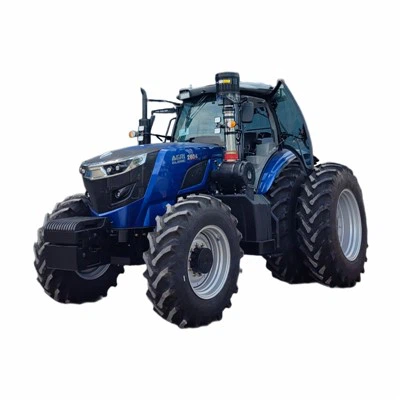
At the end of the day, improving implement efficiency isn’t about buying the biggest, fanciest gear on the market. It’s about working with what you have, making small, science-backed adjustments, and matching your equipment to your farm’s unique needs. Over the past 12 years, we’ve seen hundreds of our customers cut costs, save time, and boost yields by implementing these exact strategies, and we’ve built our business on being there to help them every step of the way. If you’re ready to audit your implements, upgrade a part, add a precision ag tool, or just chat through what changes would work best for your farm, our team is here to work with you. Don’t let inefficient tools hold back your farm’s potential—let’s connect and find solutions that fit your operation.
Agricultural Implements References
University of Illinois Extension. (2022). Calibration Impacts on Crop Yield and Input Efficiency.
American Society of Agricultural and Biological Engineers (ASABE). (2021). Effect of Worn Agricultural Implement Components on Work Rate and Fuel Consumption.
North Central Farm Management Extension Committee. (2023). Tractor-Implement Matching Guidelines for Mid-Size Farms.
University of California, Davis. (2020). Field Layout Optimization for Reducing Agricultural Implement Turn Time and Rework.
Farm Journal. (2022). Precision Agriculture Returns: Input Use and Yield Impacts of GPS and Variable Rate Technology.
U.S. Department of Agriculture (USDA) Agricultural Research Service. (2021). Soil-Specific Implement Adjustments for Reducing Fuel Use and Improving Crop Performance.
Shandong Ling Ke Industry Group Co., Ltd.
As one of the most professional agricultural implements manufacturers and suppliers in China, we’re featured by quality products and good price. Please rest assured to buy cheap agricultural implements for sale here from our factory. We also accept customized orders.
Address: 50 Meters West of the Connecting Road Between Jiuma Road and Shima Road, Fangzi District, Weifang City, Shandong Province, P.R.China
E-mail: aileenlin@sdlingkegroup.com
WebSite: https://www.lingketractor.com/
