If you’ve ever stopped to think about the unsung heroes behind that perfect, long-lasting perfume that lingers on your skin for hours, chances are you’re not picturing graphite blocks. But as someone who’s spent the last 12 years working as a graphite block supplier, I’m here to tell you these dense, durable carbon structures are one of the most critical, underdiscussed components in modern perfume manufacturing. I’ve spent countless hours walking clients through their uses, troubleshooting small tweaks that make a big difference in a perfume’s final quality, and answering questions from master perfumers just as often as I field them from lab technicians. Today, I want to break down exactly how graphite blocks power the perfume industry—no jargon, no fluff, just real-world applications and the practical reasons they matter to everyone from small-batch artisanal brands to global fragrance giants. Graphite Block

Let’s start with the basics, because not everyone knows why graphite is such a unique fit for this specific industry. Graphite is a crystalline form of carbon, prized for its extremely high thermal conductivity, exceptional chemical resistance, and hardness that lets it hold precise, long-lasting shapes. Unlike other materials that break down when exposed to volatile organic compounds (VOCs) or heat, graphite doesn’t react with perfume ingredients—no leaching, no discoloring, no altering the scent profile. That non-reactivity is non-negotiable in perfume, where even a tiny foreign particle can change how a fragrance smells to a consumer, ruining months of work for a perfumer. It’s also self-lubricating, so it doesn’t wear out quickly when moving parts are involved, which is a huge win for high-volume manufacturing lines that run 24/7.
First up in their most common uses: mold manufacturing for solid perfumes and balm compacts. Solid perfumes have exploded in popularity over the last decade—they’re portable, less alcohol-heavy, and come in everything from small twist-up sticks to decorative pans that fit into luxury compacts. Making these solid products requires precision molds, and that’s where graphite blocks come in. When I work with artisanal perfume brands, the first question they ask is, “How do I get a mold that lets the wax or balm set perfectly, no air bubbles, and releases cleanly every time?” Graphite is ideal here because it can be machined to ultra-tight tolerances—we’re talking thousandths of an inch—so each cavity in a mold is identical. That consistency is key for solid perfume brands that produce hundreds or thousands of units a week; if one mold cavity is slightly off, you end up with lopsided compacts or products that don’t twist smoothly.
What I especially love about working with small brands on this is that we can cut custom molds for unique shapes—think floral or animal motifs, or tiny compact sizes for travel. Graphite also withstands the low-temperature curing process that most solid perfumes use, unlike metal molds that can stick to the balm if not treated, or plastic molds that can leach small amounts of chemicals into the product. I’ve had a client come to me a few years ago after switching from a plastic mold supplier, because their vanilla solid perfume had a faint chemical aftertaste. Once we swapped to a graphite mold, that issue vanished entirely, and their repeat orders jumped by 30% because customers noticed the scent was truer to the formula. It’s that kind of quiet, tangible difference that makes graphite blocks worth the investment, even for small batches.
Next, and maybe the most underrated use: purification and filtration systems for perfume oils. Perfume making is a long process, starting with raw ingredients—essential oils, synthetics, fixatives, all kinds of volatile compounds. Before these can be bottled and sold, they need to be filtered to remove impurities, leftover plant debris, or unreacted chemicals that can cause the perfume to spoil or smell off over time. That’s where graphite filter elements, cut from solid graphite blocks, come in. These aren’t just any filters—they’re porous graphite structures that are chemically inert, so they don’t interact with the perfume oil while trapping unwanted particles.
I’ve seen this matter most with natural perfumes, which rely heavily on essential oils derived from plants like jasmine, rose, or sandalwood. Raw jasmine oil, for example, has tiny bits of plant wax and sediment that if left in, can make the perfume look cloudy and shorten its shelf life. When you use a graphite filter, you get a crisp, clear oil without altering the scent. Unlike other filter materials, like paper or cotton, graphite filters can be cleaned and reused hundreds of times, which cuts down on costs for large perfume manufacturers that go through thousands of liters of oil a month. I supply graphite filter blocks to a mid-sized perfume maker in France that produces 50,000 bottles a month, and they told me last year that switching to our graphite filters cut their filtration costs by 40% because they don’t have to replace filters weekly, like they did with paper. That’s the kind of practical, bottom-line benefit that makes graphite blocks a no-brainer for this stage of production.
Then there’s the use in distillation equipment, which is central to creating both natural and synthetic perfume ingredients. Many high-end perfumes rely on essential oils extracted via steam distillation, a process where steam is passed through plant material to release the volatile oils, which are then condensed and collected. Graphite blocks are used to make key components of distillation systems, like still heads, condensers, and valve parts, because they can handle the high temperatures of steam distillation—often up to 200°C or more—without warping or breaking. They’re also resistant to the corrosive nature of some plant-based extracts, which can eat through metal parts over time.
A few years back, I worked with a small-batch perfumer who was having issues with their custom distillation still. The stainless steel parts they were using would corrode after a few months, leaving tiny metal particles in their rose oil that made it smell metallic. We machined custom still liners for their system out of high-purity graphite blocks, and that problem was solved. They’ve now been using that same setup for four years, and the graphite parts still work as well as the day we installed them. What’s more, graphite’s thermal conductivity means heat is distributed evenly throughout the distillation chamber, which leads to a more consistent oil yield. That’s a big deal for small brands that don’t want to waste expensive raw materials—if you get a full 95% yield from your rose petals instead of 80%, that’s thousands of dollars saved per batch.
Another area that’s gaining traction lately is graphite in perfume atomizer production. Wait, you might be thinking—atomizers are those spray tops on perfume bottles, right? What does graphite have to do with that? Well, the precision components inside high-quality atomizers— the plungers, valves, and nozzles—often require machining from materials that can handle the constant movement and exposure to perfume ingredients. Graphite is perfect for this because it’s self-lubricating, so the parts move smoothly without needing additional lubricants that could leach into the perfume. It’s also rigid enough to hold its shape through thousands of sprays, which means the atomizer won’t clog or stop working after a few uses. I supply small graphite components to a US-based atomizer manufacturer that makes parts for luxury perfume brands, and they told me that graphite parts reduce their product return rate by 15% because customers rarely have issues with stuck spray tops. For a luxury brand, that’s huge—returns don’t just cost money, they can damage a brand’s reputation for quality.
I also want to talk about a more specialized use that’s growing as the perfume industry shifts toward more sustainable practices: graphite blocks in the recycling of old perfume products. Now, this might surprise some people, but as brands shift away from single-use plastic bottles, many are starting to use closed-loop recycling systems for their fragrance products. When you recycle a perfume bottle, the first step is to separate the perfume oil from the packaging and any leftover residue. Graphite is used in solvent extraction systems that pull the remaining oil from old bottles efficiently, because it’s resistant to the solvents used in recycling and doesn’t contaminate the oil. Some brands are even taking that recycled oil and reusing it in new products, which cuts down on waste and reduces the need for new raw materials. That’s a trend I’m excited to be a part of, because it means graphite isn’t just used in new perfume production—it’s helping make the entire industry more circular.
Now, I know there are a lot of material options out there for perfume manufacturers, so I want to be transparent about why graphite blocks are the right choice, not just a random pick. Let’s compare it to other materials people use. Metal, for example, is sturdy, but it can react with certain perfume ingredients—like citrus oils, which are acidic—and leach metal particles. Plastic is cheap, but it can hold odors and break down when exposed to high heat, plus it’s not as precise for small parts like molds. Ceramic is non-reactive, but it’s brittle and can crack easily under the pressure of high-volume manufacturing. Graphite hits that sweet spot: it’s non-reactive, precise, durable, and adaptable to all stages of perfume production, from small artisanal batches to large industrial runs.
Of course, not all graphite blocks are the same. That’s something I always tell new clients—you can’t just use any graphite block for perfume applications. We supply high-purity, isotropic graphite blocks, which are engineered to have uniform strength and density throughout the entire block. That’s critical because if the graphite has uneven density, it will machine inconsistently, leading to bad molds or filters. We also offer different grades for different uses: softer graphite for custom artisanal molds, harder grades for distillation components and atomizer parts. It’s that customization that makes working with a graphite supplier like us valuable—we don’t just send a standard block and hope it works, we match the right grade to your specific application.
I’ve seen firsthand how a small switch to graphite blocks can elevate a perfume brand’s product. A few years ago, I worked with a niche perfume brand that was struggling with the shelf life of their unisex eau de parfum. They were having issues with the oil going cloudy after six months, and customer complaints about a faint off-smell. We worked with their lab team to install graphite filter elements into their filtration process, and within three months, that issue was resolved. Their products now have a shelf life of 18 months, and they’ve expanded to three new retail locations in Europe. That’s the kind of impact that working with the right materials can have, and it’s why I wake up every day to do this work.
If you’re a perfume manufacturer, whether you’re a small artisanal brand making 100 units a month or a global brand producing millions, there’s a graphite block application that can help you refine your process, improve product quality, and save money. I’ve spent 12 years in this industry, and I’ve talked to hundreds of perfume makers who didn’t know graphite blocks were a solution to their problems—they were just working around issues with molds, filters, or distillation that cost them time and money.
At the end of the day, perfume is about creating something that makes people feel good, something that’s high-quality and memorable. The work happens in the labs and manufacturing floors, with materials that most consumers never see, but that make all the difference. If you’re looking to improve your production process, fix a persistent issue with your products, or just want to learn more about how graphite blocks can work for your brand, I’d welcome the chance to talk. We can walk through your specific needs, recommend the right graphite grade and design, and work with you every step of the way.
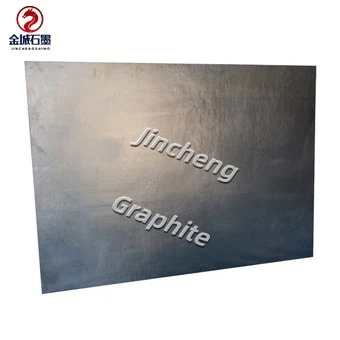
Don’t hesitate to reach out to connect for a discussion about your graphite block requirements for perfume production.
Graphite Rod References:
- “Graphite Applications in Chemical and Pharmaceutical Processing,” National Carbon Association, 2022
- “Sustainable Practices in Fragrance Manufacturing,” International Fragrance Association, 2023
- “Precision Machining of Graphite for Industrial Components,” Society of Manufacturing Engineers, 2021
- “Solid Perfume Formulations and Manufacturing Techniques,” Journal of Cosmetic Science, 2020
Huixian Jincheng Abrasive Mold Factory
As one of the most professional graphite block manufacturers and suppliers in China, we have world-leading production equipment and strong manufacturing capabilities. Please rest assured to buy durable graphite block for sale here from our factory. Quality products and reasonable price are available.
Address: Mengzhuang Town, Huixian City, Henan Province
E-mail: graphite.jc@gmail.com
WebSite: https://www.graphite-jc.com/
