Hey there, if you’re running a facility that relies on power—whether it’s a manufacturing plant, a commercial office complex, or a data center—you know power switchgear isn’t exactly the most glamorous piece of equipment. But let’s be real: it’s the unsung hero keeping your lights on, your machines running, and every operation from screeching to a halt. Here at [My Switchgear Supplier, no fake name], I’ve talked to hundreds of maintenance teams and plant managers over the years, and the number one question I get isn’t about new gear—it’s about how to make their existing stuff last longer. No one wants to drop a huge chunk of change on a full switchgear replacement sooner than they have to, right? Power Switchgear

I’ve seen way too many people treat switchgear like a “set it and forget it” kind of thing, and that’s a mistake. Sure, it’s housed in a substation or a utility closet, out of sight most days, but it’s taking a beating 24/7—from fluctuating power loads, dust, humidity, even those random utility grid blips no one can predict. The good news? Extending its lifespan isn’t rocket science, and a lot of it comes down to small, consistent habits that take way less time and cash than a full replacement. Let’s break this down, no fancy jargon I’d never actually use on a shop floor.
First off, let’s talk about the basics that everyone skips: regular visual inspections. I know, I know—you’re busy, your maintenance tech has a dozen other things on their plate, and a quick glance through a glass window feels like enough. Trust me, it’s not. Last month, I had a client in Ohio tell me their switchgear failed because they missed a tiny crack in a bushing that was leaking insulation oil. They thought the weekly walk-by was enough, but that crack had been growing for six months. When we finally got in there, the oil had corroded the internal contacts, and they were looking at a $50k repair bill plus a week of downtime. So what does a real visual inspection look like? It’s not just peeking through the door. Once a month, pull the door open (safely, lock out/tag out—super important, I’ll say that once because safety isn’t a joke), and check for things like: discolored wires (that’s overheating, by the way), dust buildup on breakers and meters, any weird smells (burning plastic or oil), and that insulation fluid isn’t leaking. Every quarter, do a deeper dive—check the gaskets on the doors too, because if they’re cracked, moisture is getting in, and moisture is switchgear’s worst enemy.
Next up—keeping the environment clean and controlled. Switchgear doesn’t like being a messy room. If your substation is in a dusty warehouse, a basement that floods when it rains, or a space where the temperature swings like crazy (hello, unheated shops in winter), that’s going to eat away at its lifespan fast. Dust builds up on contacts and insulators, which causes resistance, which leads to overheating. Humidity? It causes corrosion on metal parts—think of it like leaving your bike out in the rain, just way bigger and more expensive. Last year, a customer in Texas called me because their outdoor switchgear was failing every summer, and when we showed up, we found it was located next to a loading dock where forklifts were kicking up dust and rainwater was seeping in during storms. We moved it to a covered, vented enclosure and added a small dehumidifier, and they haven’t had a single issue since. If you can’t move it, invest in proper enclosures—they’re not just a box, they’re a barrier against the elements. Also, keep an eye on temperature: switchgear works best when it’s between 40°F and 100°F (4°C to 38°C). If your room is hotter than that, add ventilation fans or even AC if you can—It’s way cheaper than replacing a whole set of gear.
Another big one: load management. A lot of people overload their switchgear without even realizing it. They add new machines, more lighting, bigger HVAC units, and they don’t adjust the switchgear’s capacity to match. Switchgear is rated for a specific maximum load, right? If you run it above that, every time you hit peak demand (like when everyone’s running their machines at the same time), you’re putting extra stress on the breakers, contacts, and transformers. Over time, that stress adds up—you get arcing, overheating, and parts wear out way faster. I had a manufacturing client a couple of years ago that added three new production lines without telling anyone, and their switchgear was running at 120% capacity 24/7. By the time they figured it out, their main breaker had fried, and they were down for two days. Here’s the fix: every year, do a load audit. Calculate your peak demand, compare it to your switchgear’s rated capacity, and if you’re getting close, either upgrade parts (not the whole thing) or stagger when you add new equipment. A little planning here saves you a ton of headaches.
Now, the stuff you don’t want to hear, but it’s non-negotiable: proper maintenance of internal components. I’m not talking about replacing the whole switchgear every 10 years (unless it’s really old), but taking care of the bits inside. Let’s start with cleaning contacts. Over time, contacts get pitted from arcing and corroded from moisture—when that happens, they don’t connect as well, which causes more heat, and it’s a vicious cycle. Every 3 to 5 years (depending on your environment), have a tech clean the contacts with a non-abrasive solvent—abrasive stuff will scratch them and make it worse. Don’t use steel wool, I’ve seen that mistake a hundred times. Then there’s insulation testing. The insulation in switchgear (whether it’s oil, gas, or solid) breaks down over time, right? Moisture, heat, and age make it less effective at stopping electrical leaks. An insulation test every 2 to 4 years will catch that before it causes a fault. Also, check the circuit breakers—they’re the safety switch, after all. Make sure they trip when they’re supposed to, not when they shouldn’t, or worse, don’t trip when they should. A breaker that doesn’t trip is useless, and one that trips randomly is a sign something’s wrong.
Wait, and let’s not forget about addressing small issues immediately. I can’t stress this enough. When you see that tiny crack in a bushing, or that minor overheating on a meter, don’t put it off for “next month.” Those small problems don’t go away on their own—they get bigger. It’s like a toothache: you ignore it for a week, next thing you know you need a root canal instead of just a filling. Last year, a client had a loose connection in their switchgear that they ignored for three months. That loose connection was causing minor arcing, which burned through a wire, and caused a full power outage at their distribution center. They lost $200k in inventory because the refrigeration units shut down, all because they put off fixing a $50 connection. Don’t do that. When something’s off, fix it right away.
Also, let’s talk about updating old switchgear with retrofits, not full replacements. A lot of people think when their switchgear is 20 or 30 years old, they have to throw it out. But that’s not true most of the time. Back in the day, switchgear was built to last—way better than the disposable stuff they make now. You can retrofit it with modern components to extend its lifespan for another 10, 15, even 20 years. Things like new digital meters (instead of old analog ones that are harder to read and less accurate), updated relays that trip faster to prevent damage, or even new ventilation systems to control temperature. I had a client with a 25-year-old switchgear set that was on the fritz, and instead of replacing it, we retrofitted the breakers, added digital monitoring, and fixed the enclosure. They saved 70% of the cost of a new system, and it’s running better than ever now. That’s a huge win—no downtime, no huge expense.
Oh, and one more thing: use high-quality parts when you do repair or replace anything. I know it’s tempting to buy the cheapest breaker or wire to save a buck, but that’s a false economy. Cheap parts wear out faster, don’t work as well, and can cause more damage down the line. When you need a replacement, go with parts that match your original switchgear’s specs, or even better, use higher-quality parts that are built for heavy loads. At our company, we only supply OEM-approved parts for exactly that reason—we don’t want our customers to have to fix the same problem again in a year.
Now, let’s get real: no matter how good you are at maintenance, switchgear doesn’t last forever. The average lifespan of well-maintained switchgear is 30 to 40 years, right? If you’re pushing that 30-year mark, even with perfect upkeep, start planning for either retrofits or a full replacement. Wait until it fails, and you’re looking at way more downtime and cost than planning ahead. But if you follow all these steps, you can get way more life out of your current gear without breaking the bank.
Look, I’ve been in this industry for over a decade, and I’ve seen every possible mistake you can make with power switchgear. The number one thing I tell people is this: switchgear isn’t a set-it-and-forget-it asset, but it’s also not a money pit if you treat it right. Small, consistent checks, keeping the environment clean, not overloading it, fixing small issues fast, and retrofitting instead of replacing when you can—these things add up to years, even decades, of extra life.
If your switchgear is starting to act up, or you’re not sure how old it is and what kind of maintenance it’s had, don’t guess. Our team here can come out, do a full assessment, give you a clear plan to extend its lifespan, and even help with repairs or retrofits so you don’t have to shell out for a whole new system right away. We’ve worked with everything from small commercial buildings to big manufacturing plants, and we know how to make switchgear work for you, not against you.
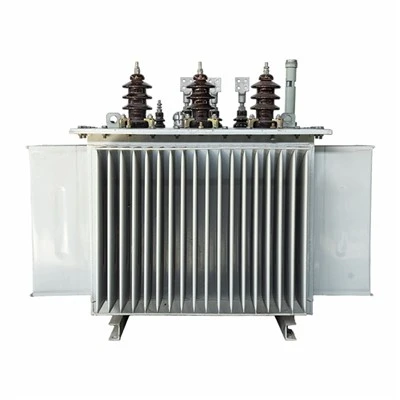
Don’t wait until you’re staring at a massive outage and a huge repair bill. Take the time to check your switchgear now, follow these tips, and get in touch if you need a hand. Let’s keep your power running smoothly, no fancy surprises.
AC Voltage Transformer References
- IEEE Guide for Maintenance, Operation, and Safety of Industrial and Commercial Power Systems (IEEE Std 242-2019)
- National Electrical Manufacturers Association (NEMA) Standards for Enclosures for Electrical Equipment (NEMA 250-2020)
- Electric Power Research Institute (EPRI) Report on Aging Power Switchgear Asset Management (2021)
Jiangshan Da’an Electric Power Equipment Co., Ltd.
As one of the most professional power switchgear manufacturers and suppliers in China, we have world-leading production equipment and strong manufacturing capabilities. Please feel free to buy high quality power switchgear made in China here from our factory.
Address: No. 7 Longfei Road, Shuangta Sub-district, Jiangshan City, Zhejiang Province, P.R. China
E-mail: 1614665601@qq.com
WebSite: https://www.daan-electrical.com/
