Hey there, if you’re reading this, odds are you’re either stuck trying to figure out how to move your fiberglass mesh without turning it into a tangled, teary mess— or you’re a fellow builder, contractor, or warehouse manager who’s dealt with the headache of this stuff getting banged up during transport. Full transparency: I’m from the fiberglass mesh supply side, so I’ve seen every mistake in the book. Last year alone, I watched a client blow $1,200 on a batch of mesh that arrived with snags, broken strands, and big chunks of it peeling off the roll because their mover rolled it wrong. No one wants that, right? So let’s cut the corporate fluff and get into the real, workable ways to transport fiberglass mesh like a pro. Fiberglass Mesh
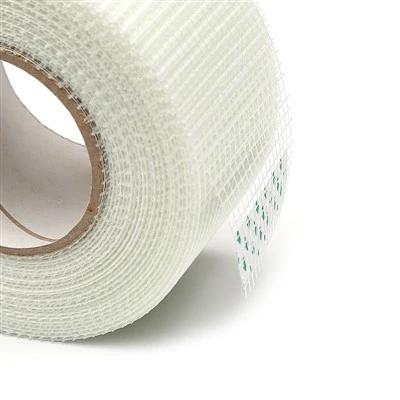
First off, let’s talk about why fiberglass mesh is weirdly tricky to move. It’s not like a lumber sheet you can just stack flat or a brick that doesn’t bend. Most of our mesh comes on heavy-duty cardboard or plastic cores, wound into rolls, usually 100 meters or 50 meters long, depending on what the client ordered. The key thing to remember here is: fiberglass strands are tiny, brittle, and if they kink or get scraped too hard, that whole roll is useless. Even a small snag on the edge can make the mesh catch on tile adhesive later, or break strands mid-install, which is a nightmare for anyone tiling a whole bathroom or a whole commercial wall. I’ve had clients send back full pallets because one roll had a 6-inch tear in it— totally avoidable if you prep right before moving.
Let’s start with pre-transport prep, because this is where most people go off the rails. You can’t just grab a roll off the shelf and toss it in the back of a pickup. First, if the mesh is still in its original packaging (which we always recommend leaving it in until right before use), leave the shrink wrap on— that plastic layer does more than just keep dust off. But wait, before you wrap, make sure the roll is tight. If it’s loose and flopping around, it’ll kink when you lift it. How to check? Grab the ends of the roll, give it a gentle shake. If you hear rattling or it moves side to side, that’s a problem. We always advise tying a soft, wide strap— not thin rope, that’ll dig into the cardboard core— around the middle of the roll, just tight enough to keep it from unspooling. If you’re dealing with mesh that’s not wound on a core, like flat sheets for plaster reinforcement, stack them vertically, not flat. Flat stacking puts all the weight on the bottom sheet, and that’ll crush the edges or stretch the mesh over time. I’ve seen a flat stack of 50 mesh sheets bend so bad they couldn’t be cut straight— total waste.
Next up, choosing the right transport method. This depends on how much mesh you’re moving, right? If it’s a small order, like 5 or 10 rolls for a small residential job, a pickup truck works, but only if you do it right. Here’s the mistake people make with pickups: they lay the rolls flat in the bed. Don’t do that. Laying rolls flat puts pressure on the core, and if the truck hits a pothole or bumps over a curb, the roll will bend in the middle, which causes kinks that you can’t fix. Instead, stand the rolls on their ends, leaning against the side of the pickup bed, so they’re upright. That way, the weight is evenly distributed along the core, not crumpling the middle. And don’t just leave them leaning— use a ratchet strap or even a bungee cord to secure them. Tuck the loose end of the strap into the gap between the rolls so it doesn’t flop around and scratch the mesh. Pro tip: if you have a tonneau cover, roll it back so it doesn’t scratch the mesh as you’re loading. I once had a client ruin 3 rolls because their tonneau cover slid closed mid-drive and scraped the entire outer layer of mesh— oops, that’s a $300 mistake right there.
If you’re moving a bigger order, like 20+ rolls for a commercial project or a whole pallet, then you need a box truck or a freight trailer, not a pickup. Pallets are your best friend here, but not just any pallet. The standard 48×40 wooden pallets work, but make sure they’re in good shape— no broken slats, no sharp nails sticking out. Sharp nails will tear through the cardboard packaging and the mesh underneath, so give the pallet a quick run with your hand before loading. When loading rolls onto a pallet, stack them side by side, upright, just like you would in a pickup. Don’t stack rolls on top of each other— even if they’re shrink-wrapped, the weight of a top roll will crush the bottom one’s core and cause kinks. Also, leave a 2-inch gap between the edges of the pallet and the rolls. Why? So the forklift tines can slide under the pallet easily, and you don’t have to force it, which can tip the whole stack. Oh, and never use a hand truck to carry a single roll vertically— those hand trucks have small wheels, and if the roll tips, it’ll crack the core and tear the mesh. Use a flat dolly that can support the full length of the roll. We keep a set of heavy-duty dollies at our warehouse for this exact reason; it’s a small cost that saves us from dealing with returns.
Now, what about road conditions and securing the load once it’s in the truck? This is a big one that a lot of first-time shippers overlook. Even if you loaded the rolls perfect, a 2-hour drive on a bumpy country road can turn your perfect mesh into a disaster if it’s not secured right. For pickup loads, like we talked about, make sure the strap is tight enough that the rolls don’t move at all. You should be able to nudge them with your finger and they don’t budge. For box trucks, if you have a pallet of mesh, shrink-wrap the entire pallet after loading, but not too tight. Wait— too tight will squeeze the rolls out of shape, so just 2 or 3 layers of shrink wrap, enough to hold the pallet together. Then, if the truck has d-rings on the walls, run a strap from the wall to the side of the pallet, so it doesn’t slide forward if the driver hits the brakes. That’s another mistake I see: if the pallet slides forward during a stop, the front row of rolls will get crushed against the cab, and half the batch is gone.
Wait, what if you’re shipping via long-haul freight, not a local truck? That’s a whole different game, but still manageable if you prep right. First, label every pallet clearly with “FIBERGLASS MESH: FRAGILE, DO NOT STACK” in big, bold letters. Most freight companies handle tons of stuff, so if they see that label, they won’t pile heavy pallets of bricks or lumber on top of yours. Also, specify if your mesh is UV-resistant or not— wait, is that a thing? Yeah, some fiberglass mesh has a UV coating for outdoor use, and if it’s exposed to direct sunlight during transport, that coating can fade or peel, making it less effective. So if your mesh needs protection from the sun, wrap the entire pallet in a dark tarp or make sure the freight driver loads it in the shaded part of the trailer. I once had a client order 100 rolls of UV mesh for a pool deck project, and the freight driver left them exposed on the back of the truck for 3 hours in 90-degree weather— the UV coating cracked, and they had to send it all back. Lesson learned: label for UV protection too, if needed.
Now, let’s talk about common mistakes I’ve seen over the years, because that’s what actually helps. First, never unroll the mesh before transport. A lot of people think, “Oh, I’ll just unroll a little to fit more in the truck,” but that’s a death sentence. Once you unroll fiberglass mesh, it’s way more likely to get snagged, torn, or kinked. You can’t rewind it perfectly, and those kinks will show up right when you’re mid-install, which is the worst time. Second, don’t use sharp tools to open packaging. When you get the mesh, use a plastic bag opener or a dull knife to cut the shrink wrap— a sharp knife can slip and slice the mesh, which is totally avoidable. Third, never store the mesh in a hot or damp space after transport. Fiberglass mesh doesn’t do well in extreme heat (it can soften the strands) or moisture (it can make the backing adhesive peel if it’s pre-coated). So when it arrives at your job site, find a cool, dry place to store it until you need it, not out in the rain or next to a construction heater.
Wait, let’s test this with a real example from our warehouse. Last month, a small tiling contractor came to pick up 12 rolls of mesh for a restaurant backsplash job. Guy showed up, threw all the rolls flat in the bed of his beat-up Ford F-150, and took off. 2 hours later, he calls us, panicking, saying half the rolls are kinked and torn. We walked him through the steps again, gave him a discount on a replacement batch, and showed him how we load rolls at the warehouse. A week later, he came back with a coworker, and they loaded 15 rolls upright, secured with two bungee cords, and dropped us a nice note saying the mesh arrived perfect. That’s the difference between winging it and following the basics.
Another thing: if you’re a regular customer ordering in bulk, ask us for free loading straps or dollies? Wait, no, we don’t give away dollies, but we do have a free guide on our website (don’t worry, no weird links) that goes step by step with photos for loading and transporting fiberglass mesh. It’s saved so many of our clients from headaches, so feel free to hit us up for a copy if you need it.
At the end of the day, transporting fiberglass mesh is all about two things: keeping it upright and keeping it secure. No fancy tricks, no expensive equipment, just following the basics. Don’t lay rolls flat, don’t stack them, label it like the fragile stuff it is, and keep it from moving around. That’s it. If you’re dealing with a big order, or you’ve had bad experiences with mesh arriving damaged, or you just want the best quality fiberglass mesh for your next job, hit us up to chat. We can help you figure out the best way to get your mesh to you, no headaches, no damaged rolls, and at a price that makes sense for your project. No hidden fees, no confusing jargon, just straight talk from people who’ve been in the fiberglass mesh game for years.
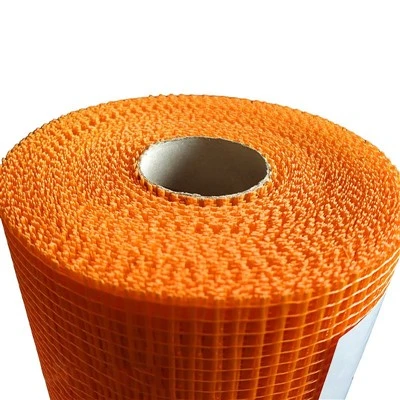
Oh, and one last tiny tip: if you’re loading rolls by hand, lift with your legs, not your back, and hold the roll close to your body to avoid straining. Those cardboard rolls are heavier than they look, and no one wants to hurt themselves over a roll of mesh.
Fiberglass Tissue References:
- Fiberglass Mesh Transport Guidelines, International Association of Wall and Ceiling Industries, 2022
- Best Practices for Rolled Building Materials, National Federation of Independent Construction, 2021
- Warehousing and Shipping Best Practices for Reinforcement Fibers, Journal of Construction Materials Handling, 2023
Danyang Yonggu Building Materials Co., Ltd.
Danyang Yonggu Building Materials Co., Ltd. is one of the most professional fiberglass mesh manufacturers and suppliers in China, featured by quality products and good price. Please rest assured to wholesale customized fiberglass mesh made in China here from our factory.
Address: Danyang City, Jiangsu Province, P.R. China
E-mail: sales02@cnyongu.com
WebSite: https://www.ygfiberglass.com/
