Carbon fiber primer, a product we’re deeply entrenched in supplying, plays a pivotal role in various industries, from automotive to aerospace. But when the mercury drops, a new set of questions arises about its performance. At our company, we’ve seen firsthand the growing demand for understanding how our carbon fiber primer behaves in cold temperatures. This isn’t just about theoretical knowledge; it’s about ensuring that our clients, who rely on our products for diverse applications, get the best results even in the harshest conditions. Carbon Fiber Primer
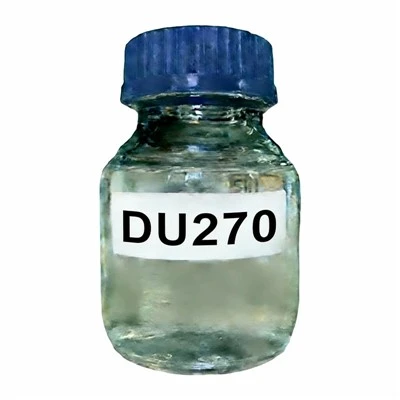
To fully grasp how carbon fiber primer works in cold temperatures, we first need to understand its fundamental chemistry. Carbon fiber primer is typically formulated with a complex blend of polymers and additives. These polymers are designed to form a strong, protective bond with the carbon fiber surface, providing corrosion resistance, improved adhesion for subsequent paint layers, and enhancing the overall durability of the carbon fiber structure.
In normal conditions, the polymers in the primer are in a state where they can easily flow and react with the carbon fiber surface. The curing process, which is essentially the chemical reaction that turns the liquid primer into a solid film, occurs at a predictable rate. However, cold temperatures throw a wrench into this well – orchestrated process.
The most immediate effect of cold temperatures on carbon fiber primer is the increase in viscosity. Viscosity refers to a fluid’s resistance to flow. As the temperature drops, the movement of molecules within the primer slows down. This is because the kinetic energy of the molecules is closely related to temperature. In colder conditions, the molecules have less energy to move around freely. As a result, the primer becomes thicker and more difficult to apply evenly. For our customers who are used to a certain smooth application process at normal temperatures, this change can be quite noticeable.
When it comes to the curing process, cold temperatures have an even more significant impact. Curing is an exothermic reaction, meaning it releases heat. But in cold environments, the external temperature can slow down or even inhibit this reaction. The chemical reactions that cross – link the polymers and form a strong, durable film need a certain amount of energy to proceed at an optimal rate. In cold weather, there might not be enough ambient energy to sustain the reaction at the normal pace.
In some cases, the curing time can be exponentially increased. What might take a few hours to cure at room temperature could take days in extremely cold conditions. If the primer doesn’t cure properly, it won’t form a fully developed film. This can lead to a host of problems, such as poor adhesion. The primer may not adhere well to the carbon fiber surface, increasing the risk of chipping or peeling. And if subsequent paint layers are applied, the lack of proper adhesion in the primer can cause the entire paint system to fail prematurely.
However, we’re not leaving our customers in the lurch when it comes to cold – weather applications. Our team of experts has been working diligently to develop strategies to overcome these challenges.
One approach is through formulation modifications. We’ve been researching and developing primers that are specifically engineered for cold – weather use. These primers contain additives that lower the glass – transition temperature of the polymers. The glass – transition temperature is the point at which a polymer changes from a hard, glassy state to a more rubbery, flexible state. By lowering this temperature, the primer remains more fluid and reactive in colder conditions, allowing for better application and curing.
Another strategy is to control the environment during application and curing. This could involve using heated booths or enclosures. By maintaining a higher temperature around the carbon fiber component during primer application and the initial stages of curing, we can ensure that the primer behaves as it would in normal conditions. This is a common practice in industries where high – quality finishes are non – negotiable, such as high – end automotive manufacturing.
We also provide detailed guidelines to our customers on how to prepare and apply the primer in cold temperatures. For example, we recommend pre – heating the primer before application to reduce its viscosity. This can be done using specialized heating equipment that is designed to heat the primer without causing any chemical changes. Additionally, we advise customers to apply thinner layers of primer in cold weather. Thin layers cure more quickly as the heat generated during the exothermic curing process can escape more easily, preventing the primer from cooling down too rapidly.
In the automotive industry, where carbon fiber is increasingly being used for body panels and other components, the performance of carbon fiber primer in cold temperatures is of utmost importance. Cars are exposed to a wide range of temperatures, and a primer that fails in cold weather can lead to a significant reduction in the aesthetic appeal and longevity of the vehicle. With our cold – weather – optimized primers and application guidelines, automotive manufacturers can ensure that their carbon fiber – based vehicles look great and perform well throughout the year.
In the aerospace sector, the stakes are even higher. Carbon fiber is used extensively in aircraft structures due to its high strength – to – weight ratio. A primer that doesn’t perform well in cold temperatures can compromise the integrity of these structures. The extreme cold at high altitudes can exacerbate the problems associated with poor primer performance. Our products and solutions are designed to meet the rigorous standards of the aerospace industry, ensuring that carbon fiber components remain protected and functional in all flight conditions.
We understand that every customer’s needs are unique, and the challenges they face in cold – weather applications can vary. That’s why we offer personalized support. Our technical experts are always available to consult with customers, providing them with in – depth knowledge and customized solutions based on their specific requirements. Whether it’s a small – scale automotive enthusiast or a large – scale aerospace manufacturer, we’re committed to helping them achieve the best results with our carbon fiber primer.
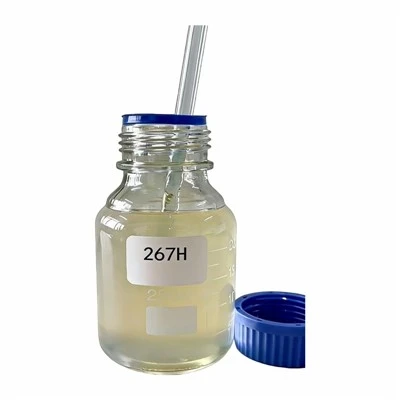
If you’re in an industry that uses carbon fiber and are concerned about how primer performs in cold temperatures, we’re here to help. Our years of experience in the field, coupled with our commitment to research and development, make us the ideal partner for all your carbon fiber primer needs. Whether you’re looking for a primer that can withstand the coldest winters or need advice on application techniques in low – temperature conditions, we have the expertise and products to meet your demands. Reach out to us to start a conversation about how we can work together to ensure your carbon fiber projects are a success, no matter the temperature.
Waterproof Adhesive References
- "Polymer Science and Engineering" by Donald R. Paul and L. H. Sperling
- "Coatings Technology Handbook" by Edward D. Pellico
- Industry – specific research papers on carbon fiber applications and primer performance in extreme conditions.
Guangdong Yrbest High Polymer Technology Co., Ltd.
Guangdong Yrbest High Polymer Technology Co., Ltd. is one of the most professional carbon fiber primer manufacturers and suppliers in China, featured by quality products and good price. Please rest assured to buy bulk advanced carbon fiber primer from our factory. Contact us for quotation and free sample.
Address: Room 1701, No. 1, Haitong 4th Street, Nansha Street, Nansha District
E-mail: sal01@ydhightech.com
WebSite: https://www.ydhightech.com/
