If you’ve ever shopped around for hydraulic oil for your equipment, you’ve probably seen those two little letters “API” on the drum or the label. For being such a tiny tag, it’s a pretty big deal for keeping your machines running smooth. As someone who’s been in the hydraulic oil supplier game for years, I get that a lot of folks glaze over the rating system and just grab whatever’s cheapest—until that cheap oil causes a pump failure or a system clog that costs way more than the stuff with the right API rating. Let’s break this down so it makes sense, no stuffy jargon, just what you actually need to know. Hydraulic Oil
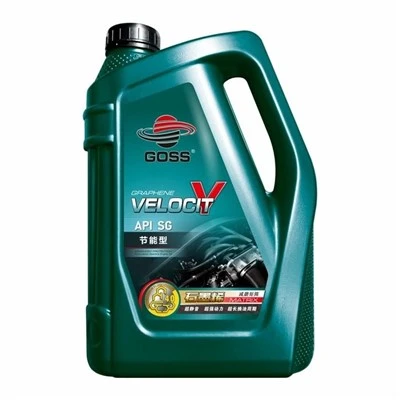
First off, what even is API here? API stands for the American Petroleum Institute, and they don’t just make up ratings out of thin air. They work with independent labs and equipment manufacturers to set standards for all kinds of oils—engine oil, gear oil, and yeah, hydraulic oil too. For hydraulic fluids specifically, the API rating tells you how well the oil will handle the job your equipment does, whether that’s a construction excavator lifting 20 tons, a farm tractor running a loader, or a factory press stamping metal parts. It’s like a grade card that says “this oil will work for your machine’s specific stress.”
Wait, but hold on—sometimes people mix up API ratings for hydraulic oil with other types of API ratings, like for gasoline engines. That’s a rookie mistake, and it’ll get you in trouble fast. Engine oil API ratings (the ones with SN or CK-4) are totally different from hydraulic oil ratings. For hydraulics, the system is split into “performance categories” based on what the oil is designed to do, not how it works in a car engine. Let’s go over the main ones you’ll actually see on hydraulic oil drums, so you can spot them when you’re ordering.
The most common API ratings for hydraulic oil are API HF-0, API HF-1, API HF-2, API HF-3, API HF-4, and API HF-5. Let’s run through each one simply, so you don’t have to memorize a textbook. API HF-0 is the basic entry-level stuff. It’s for low-stakes, light-use systems—think small shop presses, garden tractors, or simple hydraulic lifts that run a few times a day. It has minimal anti-wear additives, so it’s cheap, but don’t use it for heavy equipment. If you’re running a 50-ton excavator digging all day, HF-0 will wear out your pump seals in months, not years.
Next up is API HF-1, which is still pretty basic but has better anti-wear protection than HF-0. It’s for moderate-use equipment: delivery trucks with hydraulic lifts, small farm loaders, or factory machinery that runs 8 hours a day, 5 days a week. It handles a bit more heat and pressure than HF-0, but it’s not built for the rough stuff. If your machine has a high-pressure pump (most modern construction and industrial equipment does), HF-1 might not cut it long-term.
Then we get to API HF-2 and HF-3. These are mid-range workhorses. HF-2 has solid anti-wear additives that protect pump components from metal-on-metal grinding, and it resists foaming a lot better than the lower ratings. Foaming is a big one—if hydraulic oil gets air bubbles in it, your system feels like it’s slapping instead of smoothly pushing, and that causes wear too. HF-3 is even more stable against heat and oxidation. Oxidation happens when oil gets hot for too long (like a hydraulic system running all summer in 100°F heat) and turns to sludge. Sludge clogs filters and valves, so HF-3 is great for equipment that runs 24/7, like conveyor systems in a warehouse or mining trucks that work around the clock. A lot of mid-sized construction companies use HF-3 for their fleets because it balances cost and protection really well.
Now, the top-tier API rating for hydraulic oil is API HF-4. This is the heavy-duty stuff. It’s designed for high-pressure, high-temperature systems that run nonstop under extreme load—big excavators, bulldozers, forestry equipment, steel mill presses, anything that’s not just “moderate use.” HF-4 has way better anti-wear, anti-oxidation, and anti-corrosion additives. It also works in both hot and cold weather, so if you’re operating equipment in Alaska in winter or Texas in summer, it won’t thicken up too much in the cold or break down in the heat. A lot of original equipment manufacturers (OEMs) actually require HF-4 for their new machines, so if you’ve bought a piece of equipment in the last 10 years, the manual almost certainly says to use API HF-4 or higher.
Wait, what about HF-5? That’s the newest, right? API released HF-5 a few years ago to handle even more extreme conditions—like equipment working in dusty, dirty environments, or systems that need super fast response times. It has extra detergency to keep internal parts clean, which is huge if you’re operating on a construction site where dust can sneak into the system even with filters. It also works with biodegradable hydraulic oils if that’s a priority for you, but honestly, most people don’t need HF-5 unless their equipment’s manual specifically calls for it.
Now, here’s the thing I tell customers all the time: the API rating isn’t the only thing that matters, but it’s non-negotiable if you don’t want to mess up your equipment. I’ve seen guys buy a drum of “off-brand hydraulic oil” that said it was API HF-4, but it was just HF-1 with a label glued on. How do you spot a fake? First, stick to reputable suppliers. We as a supplier don’t cut corners here—every drum we ship comes with a COA (Certificate of Analysis) straight from the manufacturer, so you can check the actual performance numbers, not just the label. Second, cross-reference your equipment manual. If your manual says “use API HF-4,” don’t settle for less. Even if a lower rating is $20 cheaper a drum, a pump replacement can run $5,000 or more—way more than the extra cost of the right oil.
Another common question: can I mix API ratings? Short answer: don’t. If your machine is supposed to run HF-4, and you top it off with a little HF-1, that’s a bad move. The additives in lower and higher ratings don’t always mix, and you can end up with a gunked-up oil that doesn’t protect right. If you have to top off in a pinch, make sure it’s the same rating you’re already using, and do a full oil change as soon as you can to avoid issues.
Now, why does this matter for you as the end user? I’ve been in this industry for 15 years, and 90% of the hydraulic system failures I’ve seen boil down to the wrong oil or a wrong API rating. I had a customer last year who ran a 10-ton construction excavator—he was buying HF-1 because it was cheaper. After 18 months, his main pump seized up, and he had to replace it for $7,200. If he’d just stepped up to API HF-3, which was only $0.30 more per gallon, he would have saved almost $7,000. That’s the math no one tells you when you’re picking oil.
Also, API ratings apply to both mineral-based and synthetic hydraulic oils, right? Yep. Synthetic hydraulic oils often have higher API ratings because they’re more stable, but even a synthetic HF-4 is way better than a mineral HF-1. Just make sure whatever you get, whether it’s synthetic or not, has the correct API rating for your equipment. Don’t assume synthetic is automatically a higher rating—always check the label.
Wait, let’s clear up another myth: some people think API ratings are outdated, or that OEMs just make up rules to sell more oil. No way. The API works with every major equipment manufacturer (Caterpillar, John Deere, Komatsu, all of them) to set these standards. If your manual says API HF-4, that’s not a sales trick—it’s what the engineers tested. They ran thousands of hours of tests on different oils, and HF-4 was the one that kept the pump from wearing out too fast. Follow that, and your machine will last longer, run more efficiently, and cost less to maintain.
Now, what about if you’re just starting out, or you have multiple types of equipment? Say you have a small farm tractor, a pickup with a hydraulic lift, and a 20-ton excavator. You don’t have to keep three different oils. We can help you pick a universal rating that works for most of your machines, but even then, we’ll always cross-reference your equipment specs to make sure it’s right. No one-size-fits-all works for every machine, but the API rating is the common language you can use to talk to suppliers and make sure you’re getting the right product.
As a supplier, I don’t just sell oil—we help you avoid headaches. A lot of new guys in this business will tell you any API rating is fine, but that’s because they don’t care if your pump breaks next month. I’ve built my business on being honest: if your machine needs HF-4, I’ll tell you HF-1 is too cheap, not just sell you the more expensive stuff. We carry all ratings, from HF-0 for small tools up to HF-5 for heavy industrial equipment, so you can pick exactly what you need, no waste.

If you’re tired of dealing with oil that doesn’t perform, or you’re not sure which API rating is right for your equipment, let’s chat. Whether you have one small lift or a whole fleet of construction trucks, we can walk through your needs, show you the COAs, and make sure you’re getting the right hydraulic oil at a price that makes sense. No hidden fees, no fake ratings, just oil that keeps your machines running. Reach out whenever you’re ready to talk details.
Gasoline Engine Oil References
American Petroleum Institute. (2022). API Standard 1509: Hydraulic Fluids.
National Fluid Power Association. (2021). Hydraulic Fluid Selection and Maintenance Guidelines.
Caterpillar Inc. (2023). OEM Hydraulic Fluid Performance Requirements for Construction Equipment.
John Deere. (2022). Agricultural Hydraulic System Maintenance Manual.
MoGen Lubricating Oils
With abundant experience, we are one of the most professional hydraulic oil manufacturers and suppliers in China. We warmly welcome you to wholesale custom made hydraulic oil from our factory. If you have any enquiry about cooperation, please feel free to email us.
Address: No.8003 Chewang Rd, Economic Development Zone Of Jinan, Shandong Province, China 250301
E-mail: sales@mogenoils.com
WebSite: https://www.mogen-oil.com/
