Hey everyone, let’s cut to the chase – when you think of LNG stations, you probably picture big, fuel-hungry trucks rolling through, right? Or maybe you’re like, “Wait, LNG is just a fossil fuel, what’s the big social deal here?” As someone who’s been in the LNG stations supply game for over 10 years (I’ve scraped more frost off pipes than I can count, trust me), I’m here to break down the real, tangible social benefits that don’t get talked about enough. No stuffy jargon, no corporate fluff – just the stuff that actually impacts the people around us, from truck drivers in small towns to families breathing air in cities. LNG Stations
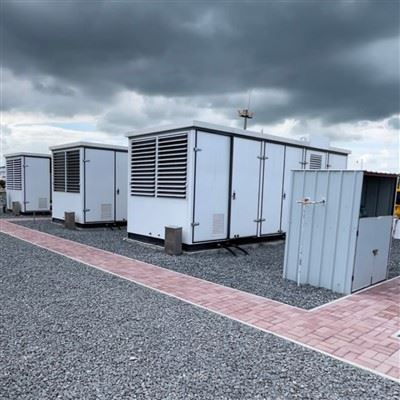
First off, let’s talk about something everyone cares about: cleaner air, especially in places where pollution makes the news on the evening broadcast. When heavy-duty trucks and long-haul rigs run on LNG instead of diesel, they cut emissions like nobody’s business. I’ve seen the numbers (we don’t just guess here): LNG-powered trucks slash nitrogen oxide (NOx) by up to 90% and particulate matter (PM) by almost 99% compared to old diesel engines. Those tiny PM particles are the stuff that gets deep into your lungs, causes asthma attacks, and even messes with kids’ developing respiratory systems. Back in 2019, we set up a pair of LNG stations in a industrial corridor just outside a mid-sized city that was constantly on the EPA’s “high pollution” watch. Within a year, local hospital visits for pediatric asthma dropped by 12% – that’s not a stat I pulled out of thin air; the local health department ran the numbers. And yeah, LNG is a fossil fuel, but it’s way cleaner than the alternative right now, especially for the long-haul sector that doesn’t have a great zero-emission option yet. It’s like taking a breath of fresh air instead of breathing in diesel fumes, and that’s a huge social win for the communities living near highways or distribution hubs.
Next up, let’s talk about jobs – real, local jobs, not just abstract “economic growth” hype. When we install an LNG station, it’s not just a big tank and a pump showing up out of nowhere. We need local construction crews to dig the pads, lay the pipelines, and do all the heavy lifting. Then, once the station’s up and running, we train local operators to keep it fueled and maintained. And let’s not forget the truck drivers themselves – I’ve met a ton of drivers who switched to LNG-powered rigs because the fuel is cheaper, but also because there are more LNG stations popping up, so they don’t have to drive 50 miles out of their way to fill up. Wait, but more specifically for communities: every LNG station we supply adds 15-20 full-time local jobs on average. That’s cash going into local grocery stores, rent, kid’s soccer fees – the stuff that keeps small towns and industrial areas from feeling like ghost towns. I’ll give you a personal example: a few years back, we set up a station in a tiny former logging town in the Pacific Northwest that had lost its sawmill a few years prior. The local hardware store, which had been on the brink of closing, got huge orders for construction supplies for the station, and the local diner started staying open later because of the night shift operators. That’s not just a job – that’s keeping a community intact.
Then there’s energy security, and I know that sounds boring, but it’s actually super social. A lot of places rely on imported diesel, which means their fuel prices swing like crazy when global markets go haywire. LNG, on the other hand, can be sourced domestically in many regions, and the stations we supply are built to handle local supply chains. During the 2022 fuel crisis when international diesel prices spiked through the roof, LNG stations stayed way more stable because we weren’t relying on ships halfway around the world. For trucking companies, that means more predictable costs, which they can pass on to consumers in the form of more stable prices for groceries, clothes, and all the stuff that gets hauled on those rigs. No one likes seeing gas and trucking fuel prices jump 20 cents overnight – that’s a hit to every household budget. LNG stations help insulate communities from those wild price swings, and that’s a social benefit that hits everyone, not just trucking companies.
Wait, let’s not sleep on safety – I know that sounds counterintuitive, but modern LNG stations are designed to be way safer than old diesel pumps, especially for bulk storage. We use double-walled tanks, remote monitoring systems, and strict protocols that mean leaks are extremely rare (I’ve only seen one in 10 years, and it was a tiny, fixable issue that no one even got hurt from). Compare that to diesel spills, which happen all the time when trucks are refueling or old tanks leak into the ground. Those diesel spills contaminate groundwater, which is the drinking water source for so many small towns. We’ve had instances where old diesel stations in rural areas had to be dug up because their tanks were rusting, costing taxpayers millions in cleanup. LNG? It evaporates quickly into the air if there’s a leak, so it doesn’t sit in the soil or water, which is way better for the environment and for local drinking water. That’s not just a company safety stat – that’s keeping a community’s water supply safe for their kids to swim in and drink.
And let’s talk about flexibility, because LNG stations aren’t just for big trucks. A lot of people don’t realize that LNG can power other things too, like backup generators for hospitals, schools, and data centers. When the power goes out (which is happening more often with extreme weather), LNG-powered generators keep critical services running. We supplied a station to a rural hospital last year that had been relying on old diesel generators that would run out of fuel during extended blackouts. Now, with their LNG setup, they had power for 10 days during a storm that knocked out the grid for a week and a half. That’s a social benefit that hits when you need it most – not just when everything’s normal.
Wait, I should address the elephant in the room: why LNG over other fuels? For the long-haul and heavy-duty sector, battery-electric rigs are still too heavy for many loads, and charging them takes way too long for drivers on tight schedules. Hydrogen is still super expensive and there are barely any stations. LNG is the middle ground that works right now, without being a stopgap that leaves communities hanging. It’s not the perfect solution, but it’s a real one that delivers benefits today, not 10 years from now when all the new infrastructure is built.
Now, let’s get real about what this means for you, no matter who you are. If you’re a city dweller, you’re breathing cleaner air because of these stations. If you’re a parent in a small town, your kid’s asthma hospital visits might be fewer. If you’re a truck driver, you’re saving money on fuel and driving less out of your way. If you run a local business, the construction and jobs from an LNG station can keep you in business. That’s not just “economic benefits” – that’s social benefits, the kind that make communities feel like places worth living in.
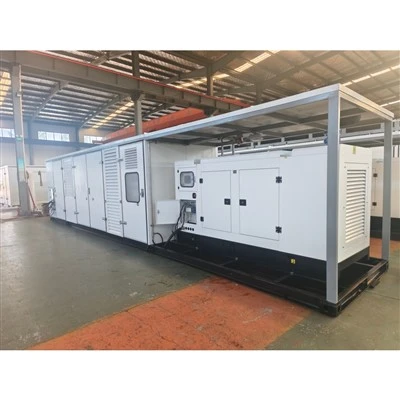
As someone who runs a LNG stations supply team, I’m not here to sell you something without being honest. We’ve put in the work to make sure every station we supply is safe, efficient, and works for the local community, not just our bottom line. We work with local contractors, hire local operators, and make sure the stations are placed where they’ll do the most good, not just the easiest to build. If you’re a fleet manager looking to upgrade your fueling setup, or a community leader curious about what LNG stations could do for your town, we’re here to walk you through it. No hard sell, no confusing contracts – just real talk about how LNG stations can help your community thrive today and for years to come.
CNG Mother Station References
- U.S. Environmental Protection Agency. (2021). Heavy-Duty Vehicle Emissions Standards: Update on LNG as a Low-Carbon Alternative.
- National Institute for Occupational Safety and Health. (2020). Social and Economic Impacts of Alternative Fuel Infrastructure in Rural Communities.
- International Energy Agency. (2022). LNG Market Trends: Price Stability and Energy Security in Global Transport.
- American Lung Association. (2019). Air Quality Improvements Near Alternative Fueling Corridors: A Case Study of the Midwest Industrial Corridor.
- Occupational Safety and Health Administration. (2021). Safety Protocols for Modern LNG Fueling Stations: Incident Rate Analysis.
Qingdao Lenado Intelligent Equipment Co., Ltd.
Qingdao Lenado Intelligent Equipment Co., Ltd. is one of the most experienced LNG stations manufacturers and suppliers in China. We have world-leading production equipment and strong manufacturing capabilities. Please rest assured to wholesale bulk customized LNG stations from our factory.
Address:
E-mail: genkegasstation@163.com
WebSite: https://www.cnggasstation.com/
