Hey everyone! I’m a supplier in the battery transportation business. You know, moving batteries around isn’t always a walk in the park. One of the biggest headaches we often face is dealing with damaged batteries during transportation. It’s a serious issue that can cause all sorts of problems, from safety hazards to legal troubles. So, today, I wanna share some tips on how to handle damaged batteries on the road. Battery Transportation
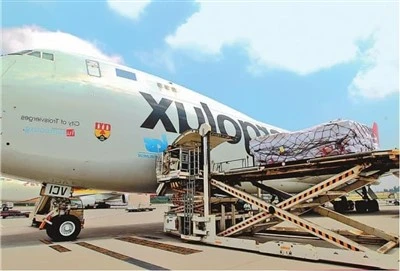
Let’s first talk about why batteries get damaged during transit. There are a few common reasons. Sometimes, it’s due to rough handling. Maybe the workers loading the batteries are a bit too rough, and they drop or bang the packages around. This can lead to physical damage to the battery casing, which might cause internal short – circuits or leaks.
Poor packaging is another culprit. If the batteries aren’t properly cushioned or secured in their shipping containers, they can shift around during transit. Vibration and jolting from the vehicle can cause the battery components to come loose or break. And let’s not forget about extreme temperatures. Batteries are sensitive to heat and cold. If they’re shipped in a container that gets too hot or too cold, it can damage the battery’s chemistry and reduce its performance or even make it completely useless.
So, what should you do if you spot a damaged battery during transportation? The first thing is to ensure safety. Damaged batteries can be dangerous. They might leak corrosive chemicals or even catch fire. So, if you’re the one handling the shipment, put on the right protective gear, like gloves and goggles. This will protect you from any potential chemical spills or other hazards.
Once you’re safe, isolate the damaged battery. Don’t let it stay with the other intact batteries. You can use a separate container or a designated area in the transport vehicle. This will prevent the damage from spreading to other batteries and reduce the risk of a larger incident.
Next, assess the damage. Is it a minor scratch on the casing, or is there a major leak? If it’s a small scratch and there are no signs of internal damage, you might be able to take some temporary measures. For example, you can use a special sealant to cover the scratch and prevent any further exposure. But if there’s a leak or the battery is clearly malfunctioning, it’s a whole different ballgame.
In case of a leak, you need to contain the spilled chemicals immediately. You can use absorbent materials like kitty litter or specialized chemical absorbents. Sprinkle the absorbent over the spill, and it will soak up the liquid. Make sure to dispose of the contaminated absorbent properly according to local environmental regulations.
Documentation is also crucial when dealing with damaged batteries. Keep detailed records of the damage, including when it was discovered, what kind of damage it is, and the condition of the surrounding batteries. This documentation will be useful for insurance claims and to prove that you followed the proper procedures in case of any legal issues.
Now, let’s talk about communication. As soon as you find a damaged battery, you need to inform the relevant parties. This includes the shipper, the receiver, and potentially your company’s safety or regulatory department. They might have specific protocols or instructions on how to proceed. For example, the shipper might have some ideas on how to salvage the battery or whether it needs to be returned for repair or disposal.
Depending on the type of battery, you may need to follow different regulations. Lithium – ion batteries, for instance, are subject to strict international and domestic regulations because of their potential fire risk. If you’re transporting lithium – ion batteries and they get damaged, you need to be extra careful. You might need to contact the appropriate regulatory authorities and follow their guidelines on handling and disposal.
When it comes to disposing of damaged batteries, it’s not as simple as just throwing them in the trash. Batteries contain heavy metals and other toxic substances that can harm the environment if not disposed of properly. So, find a certified battery disposal facility. These facilities have the expertise and equipment to handle damaged batteries safely. They’ll recycle the valuable materials and ensure that the harmful substances are neutralized and disposed of in an eco – friendly way.
To prevent damaged batteries in the first place, make sure to choose the right packaging. Use sturdy boxes or crates and plenty of cushioning materials like foam or bubble wrap. Label the packages clearly as "Batteries" and include any necessary safety instructions. Also, train your staff on proper handling techniques. Teach them how to lift and move the batteries without causing damage.
Another preventive measure is to monitor the temperature during transit. If you’re shipping batteries in hot or cold climates, use temperature – controlled containers. This will help keep the batteries in a stable environment and reduce the risk of temperature – related damage.
In conclusion, handling damaged batteries during transportation is a complex but important task. By following the safety procedures, assessing the damage accurately, documenting everything, communicating effectively, and disposing of the damaged batteries properly, you can minimize the risks and potential losses.

If you’re in the market for a reliable battery transportation partner, I’d love to talk to you. Whether you need to transport a small batch of consumer batteries or a large haul of industrial – grade ones, I’m here to help you ensure a smooth and safe journey for your batteries. Just reach out, and we can start a conversation about your specific needs.
Air Freight References
- "Battery Safety and Transportation Guidelines" by the International Air Transport Association (IATA)
- "Regulations for the Transport of Dangerous Goods" by the United Nations
- "Best Practices for Battery Packaging and Handling" by the Battery Association of America
Shenzhen Yihua Shang Supply Chain Service Management Co., Ltd.
As an experienced international logistics company in China, we are committed to providing high quality battery transportation service with low price. We warmly welcome you to contact us for more information about the cheap rate battery transportation service. Also, quotation is available.
Address: 209, Building 61, Third Industrial Zone, Zhongkeng Street, Bantian Street, Longgang District, Shenzhen
E-mail: 3809486307@qq.com
WebSite: https://www.yhs555.com/
