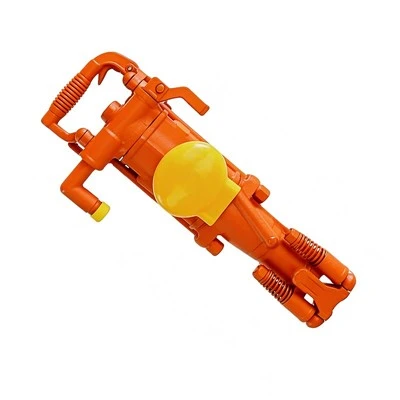
As a supplier of DTH (Down-The-Hole) drilling tools, I’ve witnessed firsthand the profound influence that temperature can have on the performance, durability, and efficiency of these essential pieces of equipment. In this blog, we’ll explore the various ways in which temperature affects DTH drilling tools, from the materials they’re made of to the operational environment in which they’re used. DTH Drilling Tools
Material Properties at Different Temperatures
DTH drilling tools are typically made from high – strength steels and carbide materials. These materials have specific physical properties that can change significantly with temperature variations.
High – temperature Effects
At elevated temperatures, steel begins to lose its strength. The heat causes the steel’s crystal structure to change, reducing its hardness and increasing its ductility. For DTH hammers, which rely on the high – strength of steel components for energy transmission and impact resistance, this can lead to deformation and premature wear.
Carbide, a common material for drill bits, also faces challenges at high temperatures. Carbide is known for its hardness and wear resistance, but when exposed to extreme heat, it can undergo chemical reactions. Oxidation can occur on the surface of the carbide, which weakens its structure. This oxidation can lead to the formation of micro – cracks on the drill bit’s cutting edges, reducing its ability to break rock effectively and increasing the risk of chipping.
Moreover, high – temperature differentials within the drilling tool can cause thermal stress. When one part of the tool heats up faster than another, it expands at a different rate. This uneven expansion can result in internal stresses that may lead to cracking or even catastrophic failure of the tool. For example, if the outer surface of a DTH bit is in contact with the hot rock while the inner core remains relatively cooler, the resulting stress can compromise the integrity of the bit.
Low – temperature Effects
Cold temperatures can also be detrimental to DTH drilling tools. Steel becomes more brittle at low temperatures. This brittleness makes the tool more susceptible to fractures when it experiences impact forces during drilling. For instance, in cold climates such as the Arctic regions, the DTH hammers may crack upon striking the rock due to the reduced ductility of the steel components.
Carbide’s performance also degrades at low temperatures. The reduced temperature can cause the carbide to become more rigid, and its ability to absorb energy during impact is diminished. This means that the drill bit may be more prone to chipping when it encounters hard rock formations, and the rate of penetration may decrease.
Impact on Lubrication and Sealing
Lubrication is crucial for the proper functioning of DTH drilling tools. Most DTH hammers rely on lubricants to reduce friction between moving parts, dissipate heat, and prevent corrosion. Temperature has a direct impact on the viscosity of lubricants.
High – temperature Lubrication Issues
At high temperatures, lubricants tend to thin out. When the viscosity of the lubricant decreases, it may not form an adequate protective film on the moving parts of the DTH hammer. This can lead to increased friction, which in turn generates more heat. The increased friction and heat can cause accelerated wear of the components, such as pistons and cylinders in the DTH hammer.
In addition, high temperatures can cause the lubricant to break down chemically. Oxidation and thermal decomposition can occur, leading to the formation of sludge and varnish. These by – products can clog the small passages in the DTH tool, disrupting the normal flow of lubricant and air, and ultimately affecting the tool’s performance.
Low – temperature Lubrication Issues
Conversely, in low – temperature environments, lubricants thicken. This increased viscosity makes it difficult for the lubricant to flow smoothly to all the necessary parts of the DTH tool. Poor lubricant flow can result in inadequate lubrication, which means that the moving components may experience more wear and tear.
Sealing is another aspect affected by temperature. Seals in DTH drilling tools are used to prevent the leakage of air and lubricant. High temperatures can cause seals to expand and lose their shape, leading to leakage. On the other hand, low temperatures can make the seals brittle, causing them to crack and also resulting in leakage.
Operational Efficiency and Temperature
Temperature can significantly impact the operational efficiency of DTH drilling tools.
High – temperature Impact on Efficiency
In high – temperature environments, the reduced strength of the tool materials and the degradation of lubricants can lead to a decrease in the rate of penetration. The drill bit may not be able to break through the rock as effectively, and the DTH hammer may not deliver the same level of impact energy. This results in longer drilling times and increased costs.
Moreover, the increased wear and tear on the tool components mean that they need to be replaced more frequently. This not only adds to the cost of the drilling operation but also causes downtime as the damaged parts are being replaced.
Low – temperature Impact on Efficiency
In cold weather, the brittleness of the tool materials and the poor fluidity of the lubricant also lead to reduced efficiency. The drill bit may have difficulty in chipping the rock, and the DTH hammer may not operate smoothly due to the lack of proper lubrication. The overall drilling speed slows down, and the energy consumption per unit of drilled rock may increase.
Mitigating the Effects of Temperature
As a DTH drilling tool supplier, we are committed to helping our customers overcome the challenges posed by temperature variations. We offer tools made from high – quality materials with improved heat – and cold – resistance properties. For example, our advanced steel alloys are designed to maintain their strength over a wider temperature range, and our carbide drill bits are treated to enhance their resistance to oxidation and thermal stress.
We also provide specialized lubricants formulated for different temperature conditions. Our high – temperature lubricants maintain their viscosity and protective properties even under extreme heat, while our low – temperature lubricants ensure smooth flow in cold environments.
In addition, we can offer guidance on proper tool maintenance and usage in different temperature settings. This includes recommendations on how to pre – heat the tools in cold conditions and how to manage cooling in high – temperature operations.
Conclusion
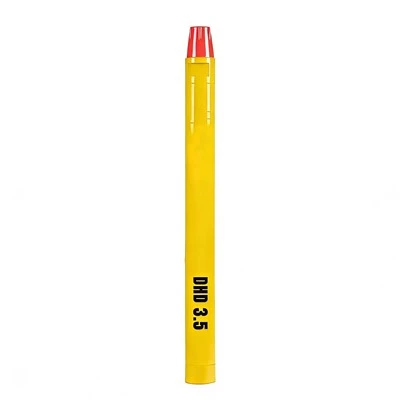
Temperature has a far – reaching impact on DTH drilling tools, affecting their material properties, lubrication, sealing, and operational efficiency. Understanding these effects is crucial for anyone involved in the drilling industry. At our company, we take pride in providing high – performance DTH drilling tools that can withstand a wide range of temperature conditions.
Button Bit If you are in the need of reliable DTH drilling tools, whether for high – temperature deserts or freezing polar regions, we are here to help. We invite you to reach out to us to discuss your specific requirements and find the best solutions for your drilling projects.
References
- Callon, J. S., & Wahl, G. (2015). "Effect of Temperature on the Mechanical Properties of Steels". Journal of Materials Engineering.
- Knopps, R., & Röntzsch, M. (2017). "Thermal Behavior and Oxidation Resistance of Cemented Carbides". International Journal of Refractory Metals and Hard Materials.
- Brown, R. M. (2019). "Lubrication in High – and Low – Temperature Environments for Down – the – Hole Drilling Equipment". Drilling Technology Review.
Super Rock Machinery Equipment (Qingdao) Co., Ltd.
We are one of the most professional DTH drilling tools manufacturers and suppliers in China, featured by quality products and good price. Please feel free to buy advanced DTH drilling tools for sale here from our factory. Welcome to view our website for more information.
Address: No. 45, Pengwan Road, Qianwan Bonded Port Area, Qingdao Sub-district, Free Trade Pilot Zone, Shandong China
E-mail: sales@superrocktools.com
WebSite: https://www.superrocktools.com/
