The oil and gas industry is a cornerstone of the global economy, powering industries, transportation, and households. In the complex operations within this sector, the choice of tools is crucial. Non-magnetic tools for oil are a specialized category of equipment used in various oilfield applications, from drilling to well completion. As the world increasingly turns its attention to environmental sustainability, a pressing question arises: Are non-magnetic tools for oil environmentally friendly? As a supplier of these tools, I am well – positioned to explore this topic from multiple perspectives. Non-Magnetic Tools for Oil

Understanding Non – Magnetic Tools for Oil
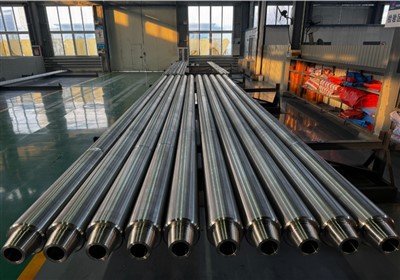
Non-magnetic tools are made from materials that do not exhibit magnetic properties. Common materials include non-magnetic steels, such as austenitic stainless steels, and alloys like Monel, Inconel, and titanium. These materials are highly resistant to corrosion, have excellent mechanical properties, and do not interfere with magnetic measurement tools used in downhole operations.
In oilfield applications, non-magnetic tools are used for several reasons. During directional drilling, for example, they are used in the bottom – hole assembly to prevent magnetic interference with the measurement – while – drilling (MWD) and logging – while – drilling (LWD) tools. These magnetic measurement tools are essential for accurately guiding the drill bit to the target reservoir. Non – magnetic tools also find their use in well completion and workover operations, where they help in tasks such as running and retrieving downhole equipment without magnetic interference.
Environmental Considerations in Tool Production
The production process of non – magnetic tools has significant environmental implications. The extraction of raw materials, such as iron ore for stainless steel production or nickel and copper for Monel alloys, often involves large – scale mining operations. These operations can have a substantial impact on the environment, including deforestation, soil erosion, and water pollution. The release of heavy metals and toxic chemicals into the environment during mining can contaminate water sources, harm wildlife, and disrupt ecosystems.
However, advancements in mining technology have led to more sustainable practices. For example, some modern mines use advanced water treatment systems to minimize the release of pollutants. Additionally, the recycling of metals has become an important part of the supply chain. Many non – magnetic tool manufacturers are increasingly using recycled metals in their production processes. Recycling reduces the need for new raw material extraction, saves energy, and decreases waste generation. For instance, recycling stainless steel can save up to 75% of the energy required to produce new stainless steel from virgin materials.
Energy Consumption in Manufacturing
The manufacturing of non – magnetic tools is an energy – intensive process. Forming, machining, heat – treating, and surface finishing all require significant amounts of energy. Traditional manufacturing methods often rely on fossil fuels, which contribute to greenhouse gas emissions and climate change. However, many manufacturers are taking steps to reduce their energy consumption and carbon footprint.
Some have invested in energy – efficient equipment, such as high – speed machining centers that can perform operations more quickly and with less energy. Additionally, the use of renewable energy sources, such as solar and wind power, in manufacturing facilities is becoming more widespread. By switching to renewable energy, manufacturers can significantly reduce their carbon emissions and contribute to a more sustainable future.
Lifespan and Durability
One of the most significant environmental benefits of non – magnetic tools for oil is their long lifespan and durability. These tools are designed to withstand harsh downhole conditions, including high temperatures, pressures, and corrosive fluids. Their robust construction means that they do not need to be replaced as frequently as less – durable alternatives.
A long – lasting tool reduces the overall environmental impact associated with its production and disposal. Fewer replacements mean less material consumption, less energy used in manufacturing new tools, and less waste sent to landfills. For example, a high – quality non – magnetic drill collar can last for many years of continuous use in the oilfield, providing reliable performance while minimizing the need for new production.
End – of – Life Disposal
At the end of their useful life, non – magnetic tools must be disposed of properly. If not handled correctly, they can become a source of environmental pollution. However, since these tools are typically made from valuable metals, they can be recycled. Recycling at the end of life not only reduces waste but also recovers valuable resources that can be reused in the production of new tools.
Recycling facilities are equipped to handle the complex alloys used in non – magnetic tools. They can separate the different metals and convert them back into usable raw materials. This closed – loop system helps to reduce the demand for newly mined materials and further decreases the environmental impact of the tool lifecycle.
The Role of Suppliers in Environmental Sustainability
As a supplier of non – magnetic tools for oil, we have a responsibility to promote environmental sustainability. We work closely with our manufacturing partners to ensure that they adhere to strict environmental standards. This includes sourcing raw materials from suppliers who practice sustainable mining and recycling, as well as encouraging the use of renewable energy in the manufacturing process.
We also provide our customers with information about the environmental benefits of our products. By highlighting the long lifespan and recyclability of our non – magnetic tools, we help them make more informed decisions that are better for the environment. Additionally, we are constantly looking for ways to improve our products and processes to further reduce their environmental impact.
Conclusion
In conclusion, non – magnetic tools for oil can be considered environmentally friendly when viewed from a holistic perspective. While their production and raw material extraction have some environmental challenges, the advancements in sustainable mining, recycling, and energy – efficient manufacturing have mitigated many of these issues. Their long lifespan and recyclability at the end of life provide significant environmental benefits by reducing material consumption, energy use, and waste generation.
As a supplier, we are committed to playing our part in promoting environmental sustainability. We believe that by working together with our customers and manufacturing partners, we can continue to develop and supply non – magnetic tools that meet the needs of the oil and gas industry while minimizing their impact on the environment.
Non-Magnetic Tools for Coal If you are in the oil and gas industry and are interested in high – quality, environmentally – friendly non – magnetic tools, I invite you to reach out for a procurement discussion. Let’s work together to find the best solutions for your operations while also contributing to a greener future.
References
- Department of Energy, "Energy – efficient Manufacturing Technologies".
- Minerals Council of Australia, "Sustainable Mining Practices in the 21st Century".
- International Stainless Steel Forum, "Benefits of Stainless Steel Recycling".
Shanxi Zhonghe Non-Magnetic Drill Tool Co., Ltd.
As one of the most professional non-magnetic tools for oil manufacturers and suppliers in China, we also support customized service. With abundant experience, we warmly welcome you to buy high quality non-magnetic tools for oil for sale here from our factory. Contact us for more details.
Address: No.168 Fenglei Street, Houma City, Linfen City, Shanxi Province, China.
E-mail: lucy@nmdrillcollar.com
WebSite: https://www.zhnmdc.com/
