Stepper motors are essential components in a wide range of industries, offering precise control and reliable performance. Among them, linear stepper motors play a crucial role in applications where linear motion is required. As a leading stepper motor supplier, I am often asked about how linear stepper motors work. In this blog post, I will delve into the principles behind these motors, their components, and the factors that affect their performance. Stepper Motor
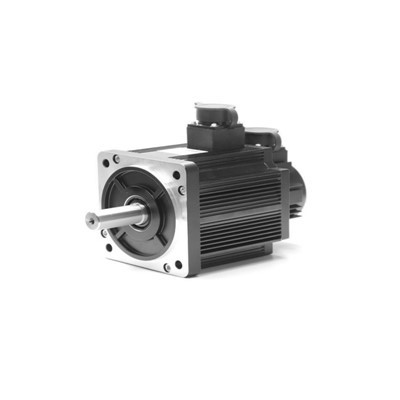
Basic Principles of Linear Stepper Motors
A linear stepper motor is a type of electric motor that converts electrical pulses into discrete linear movements. Unlike traditional rotary stepper motors, which produce rotational motion, linear stepper motors generate linear motion directly. This makes them ideal for applications such as 3D printers, CNC machines, and automated manufacturing systems.
The operation of a linear stepper motor is based on the principle of electromagnetic attraction and repulsion. The motor consists of a stator and a mover. The stator is a stationary component that contains a series of electromagnets, while the mover is a movable component that contains a permanent magnet or a set of teeth.
When an electrical pulse is applied to the stator, the electromagnets are energized, creating a magnetic field. This magnetic field interacts with the magnetic field of the mover, causing the mover to move in a linear direction. The direction and distance of the movement are determined by the sequence and number of electrical pulses applied to the stator.
Components of a Linear Stepper Motor
To understand how a linear stepper motor works, it is important to familiarize ourselves with its key components. The main components of a linear stepper motor include:
- Stator: The stator is the stationary part of the motor and contains a series of electromagnets. These electromagnets are arranged in a specific pattern and are energized in a sequence to create a magnetic field that drives the movement of the mover.
- Mover: The mover is the movable part of the motor and contains a permanent magnet or a set of teeth. The magnetic field created by the stator interacts with the magnetic field of the mover, causing the mover to move in a linear direction.
- Controller: The controller is responsible for generating the electrical pulses that are applied to the stator. The controller can be programmed to control the speed, direction, and position of the motor.
- Driver: The driver is a power amplifier that amplifies the electrical pulses generated by the controller and supplies them to the stator. The driver ensures that the motor receives the appropriate amount of power to operate efficiently.
Types of Linear Stepper Motors
There are several types of linear stepper motors available, each with its own unique characteristics and applications. The most common types of linear stepper motors include:
- Permanent Magnet Linear Stepper Motors: These motors use a permanent magnet as the mover and are known for their high torque and precision. They are commonly used in applications where high accuracy and reliability are required, such as 3D printers and CNC machines.
- Variable Reluctance Linear Stepper Motors: These motors use a toothed iron core as the mover and are known for their simplicity and low cost. They are commonly used in applications where low cost and moderate precision are required, such as home appliances and small robotic systems.
- Hybrid Linear Stepper Motors: These motors combine the features of permanent magnet and variable reluctance motors and offer high torque, precision, and efficiency. They are commonly used in applications where high performance and reliability are required, such as industrial automation and medical equipment.
Factors Affecting the Performance of Linear Stepper Motors
The performance of a linear stepper motor is affected by several factors, including:
- Step Resolution: The step resolution of a linear stepper motor refers to the smallest distance that the motor can move in a single step. A higher step resolution means that the motor can move more precisely, resulting in better accuracy and smoother motion.
- Torque: The torque of a linear stepper motor refers to the force that the motor can generate to move the load. A higher torque means that the motor can move heavier loads and overcome greater resistance.
- Speed: The speed of a linear stepper motor refers to the rate at which the motor can move. A higher speed means that the motor can complete tasks more quickly, resulting in increased productivity.
- Acceleration and Deceleration: The acceleration and deceleration of a linear stepper motor refer to the rate at which the motor can start and stop. A higher acceleration and deceleration means that the motor can change its speed more quickly, resulting in better responsiveness and efficiency.
Applications of Linear Stepper Motors
Linear stepper motors are used in a wide range of applications, including:
- 3D Printing: Linear stepper motors are used to control the movement of the print head in 3D printers, allowing for precise and accurate printing of complex objects.
- CNC Machines: Linear stepper motors are used to control the movement of the cutting tool in CNC machines, allowing for precise and accurate machining of parts.
- Automated Manufacturing Systems: Linear stepper motors are used to control the movement of conveyor belts, robots, and other automated equipment in manufacturing systems, allowing for efficient and precise production.
- Medical Equipment: Linear stepper motors are used to control the movement of medical devices such as syringes, pumps, and scanners, allowing for precise and accurate delivery of medications and diagnostic tests.
Conclusion
In conclusion, linear stepper motors are essential components in a wide range of industries, offering precise control and reliable performance. By understanding the principles behind these motors, their components, and the factors that affect their performance, you can make informed decisions when selecting a linear stepper motor for your application.

As a leading stepper motor supplier, we offer a wide range of linear stepper motors to meet the needs of various applications. Our motors are designed to provide high performance, reliability, and precision, and are backed by our expert technical support and customer service.
Stepper Motor If you are interested in learning more about our linear stepper motors or have any questions about their applications, please contact us to discuss your specific requirements. We look forward to working with you to find the best solution for your needs.
References
- "Stepper Motors: A Technical Guide" by Peter C. Sen, published by Butterworth-Heinemann.
- "Motion Control for Engineers" by David Crolla, published by Elsevier.
- "Electric Motors and Drives: Fundamentals, Types and Applications" by Austin Hughes and Bill Drury, published by Newnes.
Syncore Motion (Shanghai) Co., Ltd.
We are one of the most reliable stepper motor manufacturers and suppliers in China, also support customized service. Please feel free to buy stepper motor in stock here and get free sample from our factory. For price consultation, contact us.
Address: Building 2, No. 715 Yingshun Road, Qingpu, Shanghai, China
E-mail: info@syncore-motion.com
WebSite: https://www.syncore-motion.com/
